Carbon Anode Block Sourcing in China: Manufacturers, Factories and Suppliers | Tuoda

Carbon Anode Block Sourcing in China: Manufacturers, Factories and Suppliers

Use this page to evaluate China Carbon Anode Block Manufacturer, Factory & Suppliers from the perspective of OEM project planning. It brings together related products, practical selection checks, and buyer questions so your inquiry can be more specific from the beginning.

For a procurement manager, the most useful starting point is customization scope and sample approval. Review the product matches, comparison notes, FAQs, and recent buyer-style feedback before sending final requirements.

Hot Selling Product

carbon anode block suppliers

carbon anode block suppliers

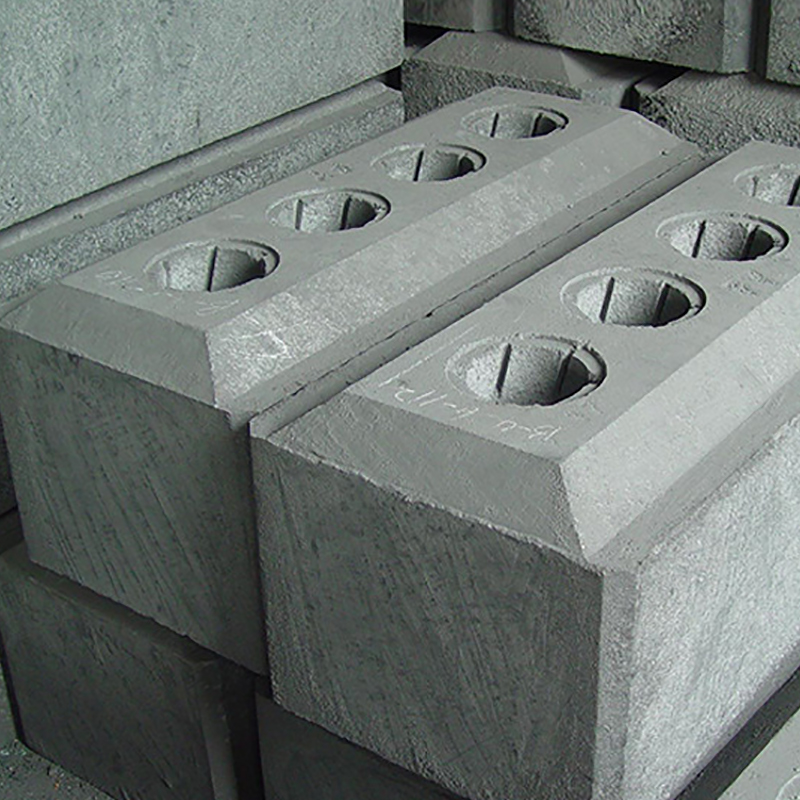
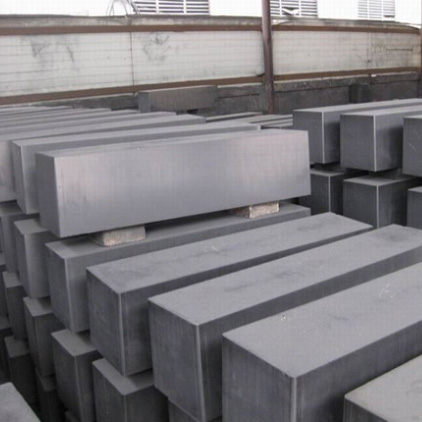
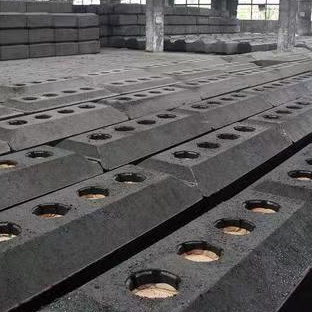
Carbon anode blocks are crucial components in aluminum electrolysis, particularly in the Hall–Héroult process, where they serve as the conductive anodes in electrolytic reduction cells. These blocks are made from calcined petroleum coke and coal tar pitch, shaped and baked at high temperatures to ensure strength, conductivity, and durability under aggressive electrochemical conditions. Finding reliable […]

Read More
High performance pre baked anode carbon block

High performance pre baked anode carbon block

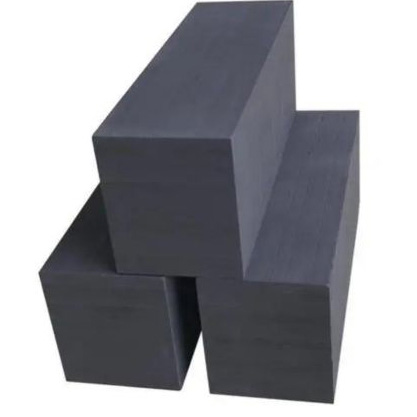
Product Application Parameters in YS/T 285-2012 standard: TY-1 grade: apparent density not less than 1.55g/cm ³, true density not less than 2.04g/cm ³, compressive strength not less than 35.0MPa, CO ₂ reactivity (residual polarity) not greater than 83.0mg/(cm ² · h), permeability not greater than 3 × 10 ⁻⁹ m ², room temperature resistivity not […]

Read More
Electrode Block

Electrode Block

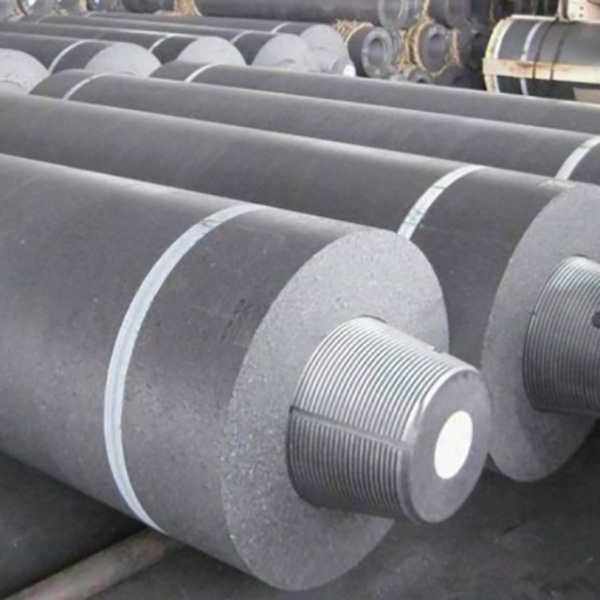
Electrode blocks are large carbon or graphite components used as the conductive core material in various high-temperature, high-current industrial applications. Made from petroleum coke, pitch, or synthetic graphite, these blocks are designed to conduct electricity and resist thermal and chemical stress in electrometallurgical furnaces, electrochemical processes, and energy systems. They are commonly used in the […]

Read More
Solid Block of Graphite

Solid Block of Graphite

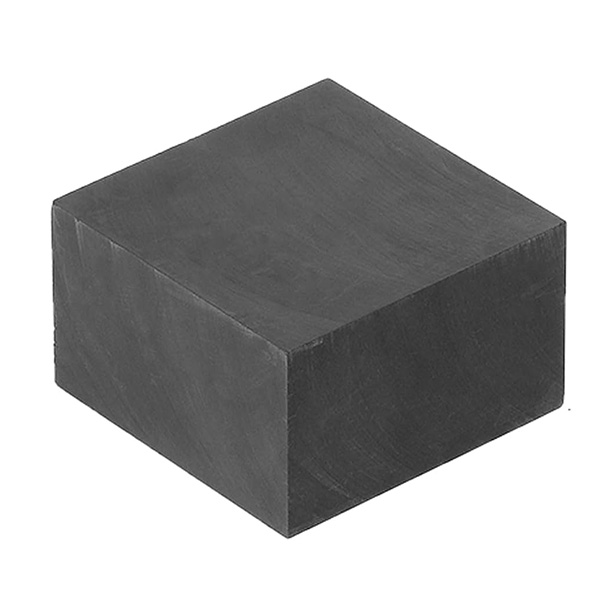
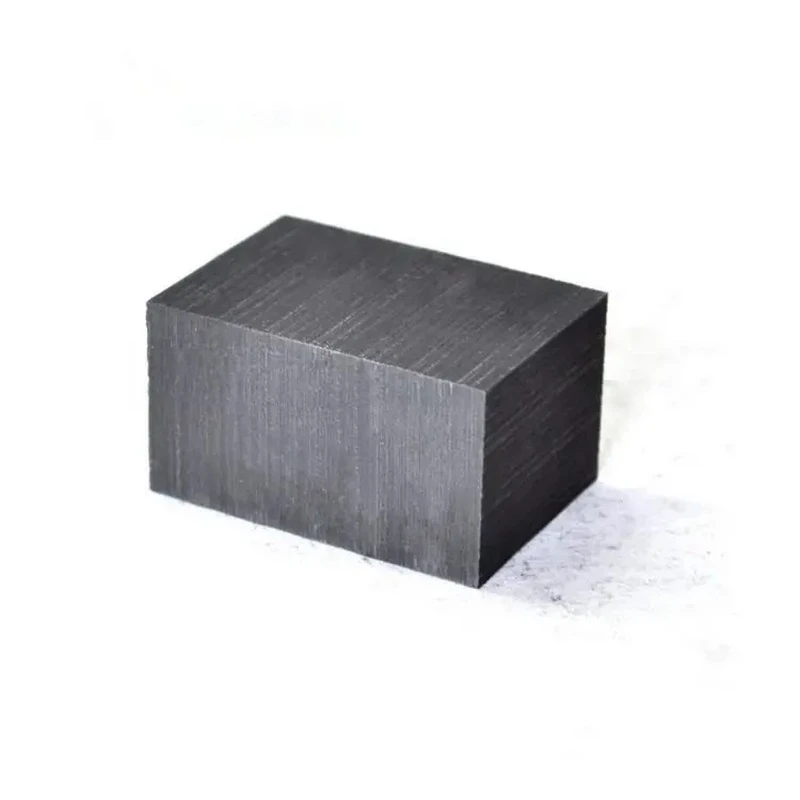
A solid block of graphite is a dense, monolithic piece of synthetic graphite engineered for high-temperature, high-conductivity, and chemically resistant applications. Manufactured from high-purity petroleum coke and coal tar pitch, then baked and graphitized at temperatures up to 3000°C, these blocks exhibit excellent thermal conductivity, machinability, and structural integrity. They are widely used across metallurgy, […]

Read More
Solid graphite block

Solid graphite block

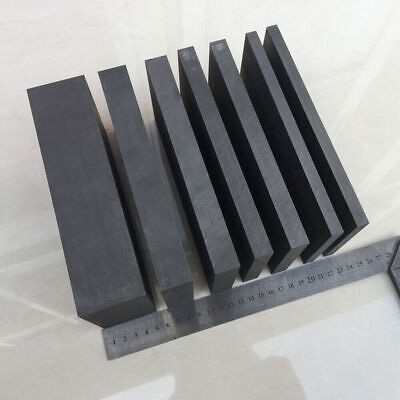
A solid graphite block is a dense, monolithic piece of synthetic or natural graphite, engineered to deliver exceptional thermal stability, electrical conductivity, and corrosion resistance. Commonly made from high-purity petroleum coke and binder pitch, it is processed at high temperatures to create a homogeneous, strong, and machinable carbon material suitable for demanding industrial applications. Used […]

Read More
Isostatic Graphite Block

Isostatic Graphite Block

Isostatic graphite blocks are premium-grade carbon materials produced through an advanced cold isostatic pressing (CIP) process. This method ensures uniform density and fine grain structure throughout the block, resulting in exceptional mechanical, thermal, and electrical properties. These blocks are ideal for precision industries that demand consistent performance under extreme conditions. Key Features: Uniform Structure: Isotropic […]

Read More

How To Compare carbon anode block suppliers Options

Carbon Anode Block Product Guide

The related product list helps you compare China Carbon Anode Block Manufacturer, Factory & Suppliers by actual product direction rather than keyword wording alone. Check whether each product supports OEM project planning, then use the table below to prepare a clearer RFQ.

Criterion What To Check Why It Matters Buyer Tip
Application fit Match size, density, and grade to OEM use Prevents spec mismatch in project planning Share drawings and operating conditions
Customization scope Confirm dimensions, machining, and tolerances Defines whether supplier can meet design needs List must-have vs optional specs
Sample approval Request sample terms and test data format Supports approval before bulk order Agree acceptance criteria early
RFQ details Include quantity, destination, packing, and timeline Improves quotation accuracy Use one RFQ template for suppliers
Export readiness Review labeling, packaging, and documents Reduces shipment and customs issues Confirm carton, pallet, and marks

How To Choose carbon anode block suppliers Supplier

When searching for China Carbon Anode Block Manufacturer, Factory & Suppliers, compare suppliers by application fit, available customization, sample approval process, and how clearly they respond to technical and commercial questions.

For a useful RFQ, include intended use, drawings or size requirements, quantity range, delivery destination, packaging expectations, and target schedule. This helps turn a broad supplier search into a practical product and quotation discussion.

Start by defining the application environment and the role of the carbon anode block in your OEM project. Note required dimensions, tolerance expectations, material references, and any performance-related points your engineering team needs reviewed before sample approval.

Then check the supplier’s customization scope. Ask whether they can support drawings, sample-based production, size adjustments, packaging requests, labeling needs, and batch documentation. If the specification is still being confirmed, share reference photos or previous purchasing standards to reduce misunderstanding.

Before requesting a final quotation, prepare the estimated order volume, trial order quantity, destination port or address, preferred trade terms, and expected lead-time window. For bulk order planning, confirm how samples are checked, how packaging is arranged, and what information is needed before production.

When comparing supplier replies, look for clear communication rather than only the lowest unit price. A practical supplier response should address application fit, confirm open questions, and help you understand what can be customized, what needs approval, and what may affect timing.

Criteria Importance Description Example Options
Application fit High Matches block to OEM operating needs Furnace type, current load
Customization scope High Defines feasible size and machining options Grooves, holes, tolerances
Sample approval High Confirms specification before bulk order Drawing-based sample check
RFQ clarity Medium Improves supplier response accuracy Quantity, grade, destination
Packaging needs Medium Supports export handling and storage Crate, label, moisture care

Top Product Matches

Recommended Products

Top product matches should be reviewed by fit, specification clarity, customization readiness, and how well they support application matching. Use these factors to shortlist practical options before contacting the supplier.

Top Selling Product Selection Factors

Application matching Key OEM selection point
Custom options Size and machining focus
Sample approval Needed before bulk order
Supplier communication Clarifies RFQ details
Packaging requirements Important for export planning

Blog Articles / Reviews

The Indispensable Heart of Aluminium Production: Understanding Carbon Anodes, Coke, and Binder Dynamics

Carbon anodes are the unsung heroes of the aluminium industry. They are a critical component in the energy-intensive electrolysis process that transforms alumina into the versatile metal we use everywhere. Understanding their production, function, and quality is paramount for anyone involved in aluminum production, especially procurement professionals like Mark Thompson who navigate the complexities of […]

Why Are Carbon Anodes Replaced Regularly in Aluminum Production?

The world of industrial metallurgy, particularly aluminum production, is a marvel of modern chemistry and engineering. At the heart of this process lies a critical component: the carbon anode. For anyone involved in sourcing materials for steel mills or foundries, like my friend Mark Thompson in the USA, understanding why these anodes have to be […]

Unlocking the Power of Carbon: A Complete Guide to High-Temperature Graphite Blocks

Welcome to the world of industrial materials! It’s a place where strength, resilience, and performance are everything. At the heart of many high-temperature industries lies a remarkable material: the graphite block. If you’re a procurement officer, a steel mill operator, or a business owner like Mark Thompson in the USA, you know that sourcing the […]

Unlocking the Power: The Myriad Benefits of Carbon Graphite and Its Versatile Applications

Carbon graphite is a truly remarkable material, a cornerstone in many modern industries. You might be wondering what makes this dark, seemingly simple substance so special. Well, this article is here to shed light on the incredible benefits of carbon graphite. From its ability to withstand extreme temperatures to its unique self-lubricating properties, carbon graphite […]

Review these buyer-style comments when checking specifications, comparing supplier options, preparing an RFQ, or reviewing export order needs.

Leah M. Porter July 11, 2026
I used the carbon anode block suppliers page to separate material specification questions from commercial discussion, which made my initial sourcing message much clearer.
Victor R. Hale July 3, 2026
This page helped me frame an RFQ for carbon anode block suppliers without mixing density, dimensions, and packaging questions into one confusing email.
Nina S. Clarke June 27, 2026
I liked having a practical reference for comparing carbon anode block suppliers, especially when aligning our purchasing checklist with technical team comments.
Caleb D. Morris June 18, 2026
The carbon anode block suppliers content gave me a better way to ask about acceptable tolerances before moving into broader procurement discussions.

Frequently Asked Questions

How should a procurement manager assess application fit when sourcing from a China Carbon Anode Block Manufacturer, Factory & Suppliers page?

Match the anode block specifications to the OEM process, furnace conditions, current density, and dimensional requirements. Share drawings, operating environment, and tolerance needs so Tuoda can help confirm whether standard or customized options are suitable.

What custom options should be clarified before shortlisting carbon anode block suppliers for an OEM project?

Clarify block dimensions, shape, density targets, ash content expectations, groove or hole requirements, and machining needs. For project planning, provide drawings or samples to support feasibility review and consistent communication during supplier comparison.

What information should be included in an RFQ for China Carbon Anode Block Manufacturer, Factory & Suppliers evaluation?

Include application details, required grade, dimensions, tolerances, quantity estimate, sample needs, packaging preferences, destination market, and inspection criteria. Clear RFQ data helps suppliers respond with relevant technical feedback instead of generic product descriptions.

How can sample approval be managed before placing a bulk carbon anode block order?

Define the sample specification, testing items, visual acceptance points, and approval process in advance. Procurement teams should compare the sample against drawings, application requirements, and internal quality checks before confirming bulk order parameters.

What lead-time questions are appropriate when discussing OEM carbon anode block planning with Tuoda?

Ask about production sequence, sample preparation timing, drawing confirmation steps, packaging preparation, and export documentation coordination. Avoid relying on assumptions; confirm timing based on the final specification, order quantity, and approval process.

Which packaging requirements should buyers discuss for export carbon anode block orders?

Discuss block size, unit weight, pallet or crate preference, moisture protection, labeling details, and handling requirements. Packaging should align with export transport conditions and the buyer’s unloading, storage, and internal traceability needs.

Leave Your Message

Send your application details, drawings or sample references, quantity range, packaging needs, and target schedule so the supplier can respond with a more accurate proposal.

    * Name

    * Email

    Phone/WhatsAPP/WeChat

    * What I have to say


    Leave Your Message

      * Name

      * Email

      Phone/WhatsAPP/WeChat

      * What I have to say