
Energy transfer dictates the rhythm and profitability of a modern steel plant. If your power delivery falters, production stops, and operational costs skyrocket. Discover why standard metals fall short in the intense heat of an electric furnace, and learn how selecting the perfect electrode material guarantees maximum conductive performance. We will explore the science of electrical currents and why your choice of materials keeps your liquid steel flowing smoothly.
What Makes an Electrode a Superior Conductive Material in Heavy Industry?
Every melt shop manager knows the intense stress of a halted furnace. The flawless flow of electrical current is the absolute lifeblood of your entire operation. When you evaluate an electrode for your plant, you are fundamentally looking at the material’s ability to handle immense, unyielding power. We desperately need high conductivity to melt scrap metal efficiently, but we must do so without melting the tool itself.
Traditional thinking might instinctively point to a metal for this heavy-duty job. After all, metals like copper conduct power beautifully across grids. It is true that copper is also famous globally for its extensive use in power cables and residential wiring. However, standard metals melt rapidly when exposed to a violent electrical arc.
We need a conductive material that absolutely refuses to turn to liquid at 3000°C. This is where carbon-based graphite steps onto the stage. It carries the power just like a traditional metal, but it survives the inferno. By utilizing a high-density High-power graphite electrode, melt shops can push massive megawatt loads into the scrap pile without catastrophic tool failure.
Why Do We Use Carbon-Based Graphite Instead of Metal as an Electrode?
When dealing with high temperatures inside modern arc furnaces, your chosen electrode material absolutely cannot fail under pressure. A typical metal softens and fails instantly under severe thermal shock. We do not use a precious metal or a heavy alloy of copper as the furnace tip because they simply melt far too early in the heat cycle. Graphite is essentially a refractory material that acts as a robust, heat-proof conductor.
We all know the conductivity of copper is fantastic in standard environments. In fact, silver has the highest conductivity rating of all elements, and copper is strictly second only to silver. But their very low melting points and high cost completely ruin them for EAF applications.
Graphite provides a reliable, lower cost alternative that withstands extreme conditions on a daily basis. It strikes the perfect balance of reasonable cost and high conductivity, ensuring your furnace stays hot and your operational budget stays intact. This unique high-temperature resilience is why graphite remains the undisputed king of the steel mill.
How Does the Electrical Conductivity of Copper Compare in Furnace Wiring?
While the graphite rod sits inside the fiery furnace, your external power delivery circuit relies heavily on metal. Copper acts as the best conductor for the massive water-cooled busbars and the heavy wiring that spans your factory. You would only seek a material with better conductivity than copper if you could afford to build your entire steel plant out of solid silver!
Therefore, materials are used like high-grade copper to construct the critical external circuit breakers and circuit boards that manage your main transformer. If your wiring develops high resistance, you suffer massive power losses before the energy even reaches the furnace walls.
Delivering high current safely requires massive, well-maintained copper cables. Furthermore, smart engineers often utilize nickel or tantalum in specialized connector parts where they must strictly avoid high contact resistance. Every single metal part in your supply chain works together in harmony to push raw power down into the carbon tip.
Can Platinum or Precious Metals Serve as a Conductive Material in Extreme Conditions?
What about platinum? In electrolytic chemical processes or advanced electrolysis plants, engineers demand a completely inert electrode. Platinum offers extraordinary inertness and superior corrosion resistance against aggressive chemicals. It is highly corrosion resistant and does not tarnish or corrode even when submerged in a highly corrosive acid bath for months.
However, platinum actually has a lower conductivity than basic copper and gold. It also comes at a staggering, prohibitive price point. Therefore, it serves as an amazing electrode material for precise chemical water splitting, but it is a terrible choice for a 100-ton steel furnace.
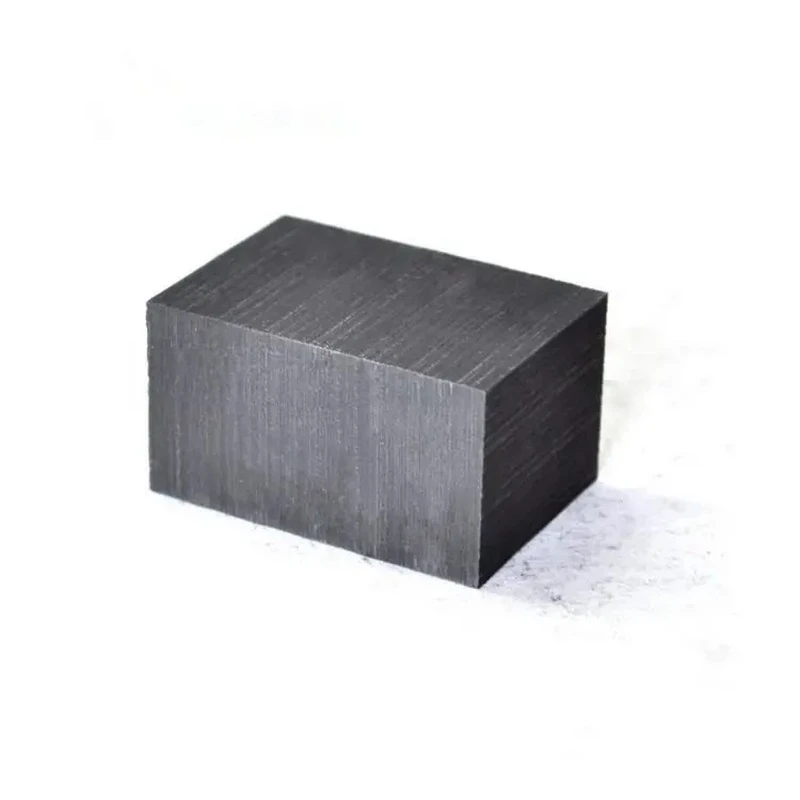
You will never see a metal like platinum acting as the primary electrode in heavy steelmaking. It is simply the wrong tool for the job. Instead, heavy industries rely on solid High strength graphite block formations to handle the physical and electrical demands of modern smelting.
How Do Free Electrons Dictate Conduction in a Semiconductor vs. a Conductor?
Let’s briefly look at the basic physics of how energy actually moves. Conduction relies entirely on the rapid movement of free electrons. In a highly efficient conductor, one single electron can effortlessly jump from one atom to the next. In contrast, a semiconductor only allows this movement under very specific, controlled conditions.
Every single atom features a valence shell. When the valence band allows electrons to detach easily, the material can conduct electricity. When a high voltage is applied across the system, current flows between the positive and negative terminals. A great material must allow this continuous flow without breaking down or overheating.
While a metal uses metallic bonds to conduct, graphite uses its unique planar graphene sheets to move power. The high electrical conductivity in our graphite occurs rapidly along these layered carbon planes. This atomic structure is precisely why a Ultra high power graphite electrode specific calcined needle coke block is so incredibly effective at transferring energy.
How Are Alloy and Metal Choices Optimized for Circuit Breakers and Boards?
Inside the electronic devices that safely control your furnace, different materials are selected carefully to connect power paths. You might electroplate a small terminal with nickel to prevent surface degradation over time. These protective metals are heavily used in electrical switches, sensor arrays, and control panels.
Sometimes, engineers even design a custom alloy to balance mechanical strength with the smooth flow of electricity. For instance, you might see a precious metal used as a plating for a sensitive, positively charged ion collector in a laboratory sensor. Often, a delicate silver chloride wire is used as a reference electrode in chemical testing.
However, for heavy industry EAFs, bulk graphite remains supreme. The intense heat of the melt would cause the rapid diffusion of any metal alloy directly into your liquid steel, completely ruining the batch chemistry. We demand an extremely high carbon purity level precisely to avoid this costly contamination.
How Do We Evaluate the Electrochemical Inertness of an Electrode?
Let’s explore how scientists actually measure these performance traits in a lab setting. In laboratories, electrical conductivity is measured using specialized liquid testing baths. Specifically, the energy drop is measured through the electrodes as they sit submerged in water. Scientists carefully place the electrodes in a standardized aqueous bath to get a highly accurate reading.
Testing in this aqueous solution at a certain baseline—usually a solution at a certain temperature—provides a clear, repeatable comparison for engineers. A standardized aqueous solution ensures that performance tests on a new metal or a carbon rod are totally fair and unbiased.
During this rigorous test, an ion moves slowly through the liquid, allowing the electric current to pass. If the material reacts electrochemically and breaks apart, it fails the test. We need robust materials that remain completely stable, proving they can handle the violent chemistry of a live steel furnace without degrading prematurely.
How Do Wear Resistance and Contact Resistance Affect the Electrode Lifespan?
An electrode in an EAF faces a brutal physical battering every single day. Therefore, mechanical wear resistance is absolutely vital. Heavy, jagged scrap metal constantly strikes the column during the charging phase. We need a dense material that handles physical impact far better than fragile ceramics. Ceramics insulate heat wonderfully, but they cannot conduct electricity at all.
Additionally, strong resistance to oxidation is a major key to column longevity. Oxygen constantly tries to burn the hot carbon away during the melt. Our chosen electrode material requires exceptional wear resistance and must withstand severe side-oxidation from the furnace atmosphere.
A standard metal like a steel alloy would just melt away in minutes. By utilizing dense, high-pressure impregnated carbon, we slow down the oxidation process significantly. This careful engineering ensures your Conductive graphite rod for electrodes lasts much longer, saving you significant money on replacements.
Why is the Right Conductive Material the Ultimate Cost-Saver in Arc Furnaces?
The right electrode directly dictates your total cost per ton of liquid steel. The high thermal conductivity of premium graphite means it disperses heat quickly, resulting in far less thermal shock and cracking. We do not just sell a simple electrode; we manufacture a highly engineered conductive transmission device built for extreme punishment.
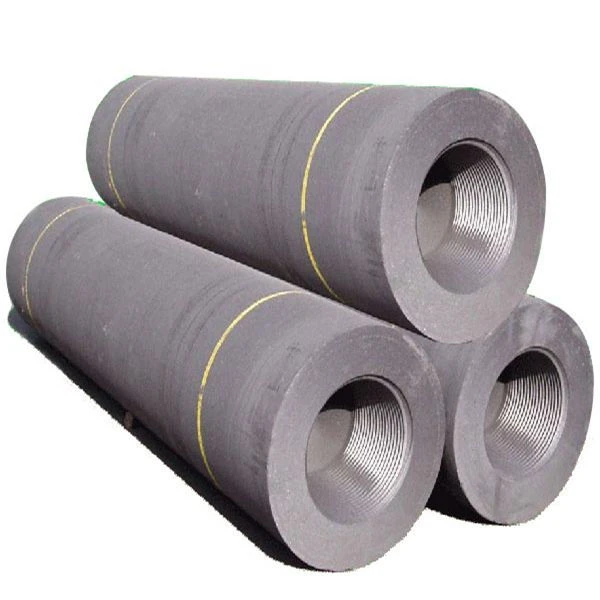
Whether you are comparing the efficiency of your copper wiring or the high-power handling of your UHP graphite columns, precision is absolutely everything. A high-quality conductive material stops power loss at the source. It keeps your furnace arc stable. It minimizes costly downtime.
When the electrical current flows flawlessly from the transformer to the scrap, your furnace operates at peak profitability. A reliable supplier ensures that the material’s density and resistance levels are perfectly tuned to your specific melt shop parameters, taking the guesswork out of your daily operations.
How Do We Overcome High Contact Resistance at the Electrode Joint?
In the melt shop, the critical connection between electrode sections is the threaded nipple. If the machining of these vital threads is poor, you instantly create high contact resistance. We achieve low contact resistance through extreme machining precision and advanced machinability. A perfect, tight joint directly prevents the ionization of the air trapped in thread gaps, which would otherwise cause a destructive internal arc.
Some delicate circuit components are chemically treated or undergo an electroplate process to aggressively reduce electrical resistance. You might see a thin gold plating applied to delicate electronics, but for heavy graphite columns, we rely strictly on tight mechanical joints and careful polishing of the mating surfaces.
You want a highly conductive, beautifully seamless column. Proper torque application combined with precise thread pitches ensures your connection easily handles the violent vibration and the intense heat without loosening, keeping your production line moving safely and efficiently.
Key Takeaways for EAF Plant Operators
- Material Selection Matters: While copper and platinum are excellent conductors for wiring and chemical sensors, only high-density graphite survives the extreme heat of an electric arc furnace.
- Focus on Joint Precision: Poorly machined nipples cause high contact resistance. Precision machining prevents internal arcing and costly column breakages.
- Combat Oxidation: Choose electrodes with high wear resistance and anti-oxidation properties to lower your consumption rate (kg/ton of steel).
- Understand Conductivity: Efficient conduction relies on free electrons. High-quality needle coke ensures your graphite provides the lowest possible electrical resistance.
- Protect the Circuit: Ensure your external copper wiring and circuit breakers are properly maintained to deliver high current without power loss before it reaches the furnace.
Post time: 05-18-2026