
Welcome to the complex world of modern metallurgy. For a Procurement Director or Melt Shop Manager like Michael, avoiding a broken consumable column is priority number one. You need your eaf running 24/7 without costly interruptions. When your mill is operating, every single minute counts toward your total cost of ownership.
This article is worth reading because it reveals how optimizing your carbon tools slashes downtime. We will explore why precise materials keep your mill running round-the-clock, how high purity limits breakage, and why understanding the underlying physics of your vessel saves thousands of dollars per heat cycle. By applying these insights, you can transform your procurement strategy from simply buying parts to securing reliable, continuous production.
What is the true role of these conductive columns in the steelmaking process?
A single graphite electrode is the heartbeat of a heavy-duty vessel. Throughout the entire steelmaking process, this large cylinder transfers massive electrical energy straight into the scrap metal. By creating an incredibly hot arc, it acts as the primary heat source to liquefy the charge.
You might wonder why we rely so heavily on these specific tools. The reason is simple. graphite electrodes play an irreplaceable role because pure graphite handles intense environments without liquefying itself. When placed in the furnace, the electrode material must survive extreme temperatures reaching 5000 degrees Fahrenheit (around 3000°c or exactly 3000 degrees celsius). This intense heat energy turns solid blocks into a bubbling liquid bath.
How do you protect the refractory walls using the ac electric arc furnace method?
To produce clean batches, operators must carefully manage the liquid chemistry. This is done by controlling the slag. The slag is a layer of impurities floating on top of the molten steel. In a traditional ac electric arc furnace, the system generates a plasma that heats the flux. This flux dissolves and forms the protective foamy layer.
A foamy barrier acts like a blanket. It buries the short arc, preventing radiation damage to the refractory walls. It also shields the column from excessive side oxidation. Both ac and dc setups rely on this blanket. Before you tilt the vessel to tap the heat, you must ensure this layer has done its job. The ac layout uses three columns, making chemical control critical for balancing the electrical conductivity across all three phases.
Why are the electrodes used in a dc electric arc setup unique?
The dc electric arc layout usually operates with a single graphite electrode. This acts as the negative electrode (or cathode). The bottom of the vessel acts as the positive anode. Because all the electric current flows through one central rod, the structural integrity and high mechanical strength of the carbon must be flawless.
When a single column is used in dc operations, the direct current creates a highly stable plasma. This stability helps reduce flicker in the local grid. For processing heavy scrap, this setup is highly economical. It uses low electricity consumption per ton of steel. You must choose a high-quality consumable to handle this immense, concentrated power safely.
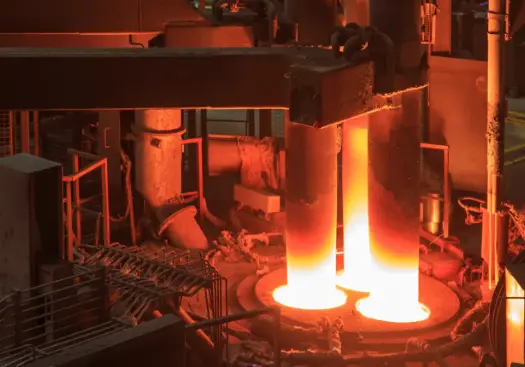
How does a submerged arc system differ when processing pig iron?
While standard eafs process recycled iron, a submerged arc operation behaves differently. A furnace that uses raw ores is often used for smelting ferroalloys or producing pig iron. Inside this metal furnace, the plasma zone is buried deep within the charge of ore and coal.
The tools required here are often different from those used to melt standard recycled parts. The heating process relies heavily on the internal resistance of the charge itself, along with the buried plasma. The alloy produced—like ferrosilicon—requires a consumable with very steady transmission over long periods. OurConductive graphite rod for electrodes can be beautifully tailored for such specialized tasks.
What specific characteristics of graphite make it ideal for melting steel?
The characteristics of graphite are truly unique in the industrial world. First, graphite has excellent thermal shock resistance. This means the consumable can handle sudden temperature changes without cracking. This is vital when the column is lowered into the cold scrap steel and instantly strikes a powerful flash.
Second, the material features high conductivity. The specific transmission capability improves as the temperature rises, which is exactly what you want during the melting process. We use premium needle coke to manufacture these tools, ensuring excellent electrical conductivity and low resistivity. This ensures the energy goes into melting steel, not into useless internal warming.
How does the control system manage the arc gap continuously?
In modern layouts, the control system automatically raises and lowers the active column to maintain a precise gap length. If the charge shifts or collapses, the machinery reacts instantly to prevent the plasma from extinguishing. Maintaining this gap is crucial for steady power delivery.
This precise control reduces mechanical wear on the entire assembly. A stable plasma transfers power faster to the bath. This directly speeds up the melt cycle and increases the output of the eaf. We test the mechanical strength of our products rigorously, guaranteeing they won’t snap during these rapid, jerky movements.
How does the electric arc furnace handle secondary alloy additions?
The electric arc furnace is basically a giant recycling machine. It takes old scrap steel and turns it into fresh metal. During the initial heating phase, the plasma bores down through the charge. Once the bath is mostly liquid, operators add specific raw materials to adjust the chemistry.
Adding an alloy like manganese or chromium requires careful timing. The bath must be at the right temperature. Sometimes, the liquid is transferred to a ladle vessel for vacuum degassing and further refining. Here, smaller units provide the gentle heating needed to mix the additions perfectly. Our High-power graphite electrode lines are perfect for this secondary step.
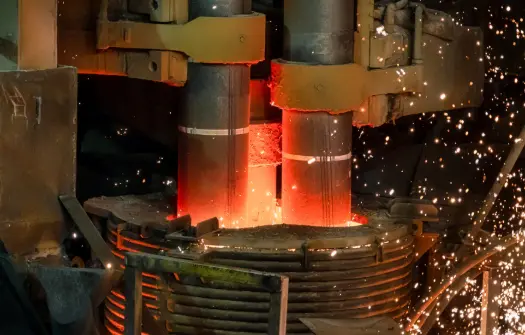
Why is a water-cooled roof essential when generating massive thermal loads?
The intense heat doesn’t just liquefy the charge; it heats everything around it. To protect the upper parts of the structure, the eaf uses a water-cooled roof and side panels. In some older designs, a fluid-cooled upper section was tested to save on carbon, but today, full graphite materials are standard for the active column.
The cooling panels absorb the thermal radiation from the plasma. If the foam isn’t thick enough, this stress can destroy the walls. Our customers often note that high-density ultra-high power graphite electrodes maintain a tighter, more focused flash. This keeps the heat aimed at the bath rather than the panels, saving massive amounts of electricity.
Yes. Whether you are processing special irons in a foundry or recycling scrap in an eaf, time is money. A premium graphite electrode has low impurity content. This means you don’t introduce unwanted elements into your metal, which reduces the time needed to refine the batch.
A superior product also offers low thermal expansion. When the power strikes, a product with high expansion might spall or crack. A stable component handles the high-temperature environment effortlessly. It allows the power supply to push maximum voltage and current without fear of breakage, accelerating the entire production cycle.
How to Choose the Right Manufacturing Partner in China
When sourcing massive carbon cylinders, the factory you choose dictates your success. Handan Tuoda Carbon Co., Ltd., based in Hebei, operates a vast 59-acre facility producing 30,000 tons annually. Finding a trustworthy partner is crucial. A bargain price often hides poor density or weak joints. If a joint snaps, the downtime ruins your shift’s profitability.
Our B2B model focuses on long-term value. Procurement directors like you need predictable consumption rates. Unpredictable performance is unacceptable. We maintain a fully equipped laboratory to test every batch’s physical density and resistance before it ships.
Let’s talk about logistics. These heavy cylinders are brittle. They survive extreme conditions inside the vessel but can crack if dropped on a concrete floor. We use heavy-duty wooden pallets, reinforced with steel strapping and waterproof wrapping. When shipping via ocean freight to Turkey, Russia, or the USA, moisture protection is mandatory. Proper storage at your plant is equally important. Keep the parts indoors, away from rain. Wet components can spall violently when exposed to sudden power surges.
What about the threads? The joint (nipple) is the weakest link. Precision machining is non-negotiable. We offer customized "half-tooth" or "double-tooth" designs to ensure a perfect fit. A loose joint increases resistance, generating unwanted localized warming that destroys the threads. Using a High strength graphite block in other applications proves our dedication to dense, reliable materials.
You must focus on the Total Cost of Ownership. Cheaper options often consume faster. If you save twenty dollars per unit but replace them twice as often, you lose money. Calculate the consumption per ton of liquid product. That is the only metric that matters.
Understanding the Operational KPI
Every procurement director evaluates suppliers based on Key Performance Indicators. Downtime is the enemy. A single broken cylinder can halt operations for hours. Operators must extract the broken pieces from the bubbling bath, a dangerous and time-consuming task.
To avoid this, operator training is vital. Crane operators must lower the columns gently. Sudden impacts against heavy chunks of solid charge will snap even the best-made parts. Torque application during assembly is another critical factor. If the maintenance team under-tightens the joint, it loosens during vibration. If they over-tighten it, they pre-stress the carbon, making it brittle. Always use a calibrated torque wrench.
Another aspect is inventory management. Supply chain disruptions cause massive headaches. By establishing a long-term contract with a reliable manufacturer, you guarantee a steady flow of necessary parts. You won’t be caught empty-handed when global demand spikes.
Our facility focuses on rigorous quality checks. We inspect the grain structure under microscopes. A uniform grain prevents cracks from propagating. When the power surges, a uniform structure distributes the stress evenly.
Let’s consider the environmental impact. Modern plants strive for efficiency. By utilizing dense, highly conductive parts, you reduce the time required to finish a batch. Shorter cycle times mean less energy wasted. This aligns perfectly with global sustainability goals.
The Day-to-Day Challenges of a Procurement Manager
Imagine a typical Tuesday at a large industrial plant. The shift supervisor reports that consumption rates have spiked. The budget is strained. Who takes the blame? The procurement manager. Michael, a seasoned manager, knows this pressure well. He insists on data-driven decisions. He cannot afford parts that look good on paper but fail under pressure. He demands consistency. When he orders a batch in January, he expects the July batch to perform identically.
This consistency requires a manufacturer with strict standard operating procedures. Mixing components requires precise ratios. Baking requires precise timing. If a factory rushes the baking cycle to increase output, the core remains weak. This hidden flaw only reveals itself inside the vessel, usually at the worst possible moment.
We never rush. Our graphitization process is meticulously monitored. We know that the few extra days spent in our facility save our clients days of lost production. We provide comprehensive data sheets with every shipment, proving our commitment to quality.
When you partner with us, you gain a technical ally. We don’t just ship boxes; we offer consultation. If your plant experiences unusual wear patterns, our engineers will analyze the data and suggest adjustments. Perhaps the phase regulation needs tweaking, or the oxygen lances are positioned poorly, causing localized side oxidation.
The design of the connecting nipple is a marvel of engineering. It must handle incredible mechanical loads while transferring massive currents. The pitch of the threads, the angle of the taper, and the depth of the cut are all calculated to maximize surface contact. When the system vibrates, a poorly machined thread will rattle. This rattling causes micro-arcs inside the joint, dissolving the carbon from the inside out. Soon, the joint fails completely. By utilizing state-of-the-art CNC machinery, we ensure our threads are perfect. The tolerances are measured in fractions of a millimeter. When our parts are assembled on-site, they lock together seamlessly, behaving as a single, solid column.
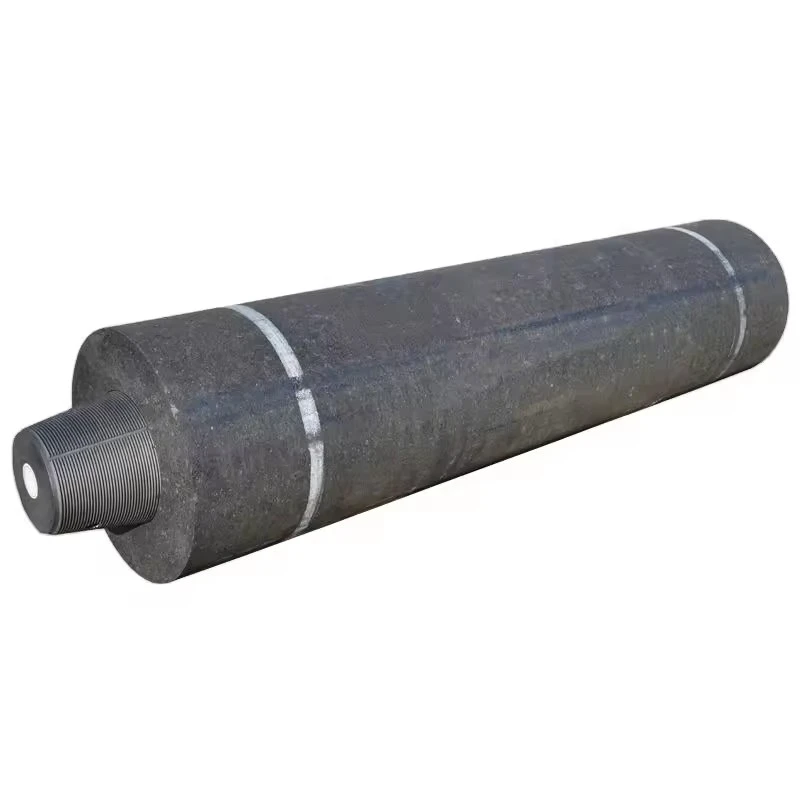
What is the future of these systems for the modern melt shop?
As the world shifts towards greener production of steel, the use of graphite will only grow. These vessels are leading the charge in reducing carbon footprints compared to traditional blast furnaces. They are widely used in electric arc furnaces to process iron, but also to smelt non-ferrous metals.
The future demands tools that can withstand intense loads. We continually improve our manufacturing to boost the high electrical conductivity and thermal conductivity of our products. When you source directly from Handan Tuoda Carbon, you guarantee that your melt shop will stay competitive. Every single unit is engineered to help you achieve the perfect output.
FAQ & Key Takeaways for the Steel Plant
Let’s review the operations of the electric arc furnace. An electric arc furnace is the core of your plant. Every electric arc furnace relies on top-tier components. Operating an electric arc furnace efficiently means understanding your graphite electrode. A graphite electrode must be durable. Your graphite electrode conducts electrical energy to the bath. This electrical energy is vital for heating the scrap metal.
- Without a good graphite electrode, your electric arc furnace cannot sustain the arc. Maintaining the arc is critical. A strong arc melts the charge quickly. When the arc is stable, the arc transfers power efficiently. Every arc requires a solid electrode. This electrode handles high temperature daily. It withstands high temperature effortlessly. Surviving high temperature proves the electrode is well-made.
- Consider the alternating systems. An ac setup uses three columns. The alternating furnace requires a deep slag layer. If the slag is poor, the arc radiation damages the walls. To melt scrap safely, the electric arc furnace uses immense power. The power supply must be robust. A stable power supply ensures the electrode maintains the arc.
- Does the electrode affect the metal? Yes. A poor electrode adds impurities to the metal. You want pure metal, especially when adding an alloy. Adding an alloy requires a clean melt. A clean melt saves money. Ensure your product has high purity.
- What about raw materials? Premium inputs give the graphite electrode its strength. This makes the graphite electrode perfect for steelmaking. Every steelmaking facility needs a reliable electrode. A good electrode improves your eaf.
- Check the electrical conductivity of your electrode. High electrical conductivity saves power. The thermal stability is unmatched. When you use an electric arc furnace, remember that the electric arc furnace is only as good as its graphite electrode. A premium graphite electrode is the best investment for your electric arc furnace.
- An electrode must not break. If the electrode breaks, production stops. Choose your electrode carefully. The right electrode lasts longer. Every electrode is a vital asset.
Post time: 04-22-2026