
Carbon is the unsung hero of modern industry. From the heavy steel beams holding up our skyscrapers to the sleek smartphones in our pockets, this single element powers our world. This comprehensive guide explores the intricate supply chain of carbon materials. By reading this, you will uncover the chemical secrets of energy storage, learn why specific carbon structures prevent costly industrial breakdowns, and see how smarter material sourcing can drastically lower your operational costs. Whether you manage a massive melt shop or simply want to understand the future of green energy, this deep dive reveals exactly why the carbon supply chain matters.
How Does the Graphite Anode Drive the Future of Lithium Power?
We live in an era entirely defined by portable energy. As we transition away from fossil fuels, the material for lithium-ion batteries has taken center stage. People constantly talk about rare metals like cobalt and nickel, but graphite is a crucial piece of this chemical puzzle. In fact, it serves as the dominant anode material in almost every rechargeable cell on the market today. Without it, the modern energy revolution simply would not work.
When you charge a battery, an electron flows through the external circuit, while lithium ions move internally across the cell. They intercalate—which simply means they insert themselves—into the layered structure of the anode. Think of it like cars parking in a massive, multi-story garage. The space between the carbon layers provides the perfect, stable parking spot for these ions.
This intercalation process dictates overall battery performance. A high-quality graphite anode allows for smooth, rapid energy transfer without degrading the "parking garage." If the material lacks chemical stability, the layers warp and crack over time, causing the battery to lose capacity quickly. That is why engineers relentlessly pursue materials that offer a high energy return. We currently see a massive global push for better anode material as the world shifts toward electric mobility and renewable grid storage.
Synthetic Graphite vs. Natural Graphite: Which Prevails in the Mine?
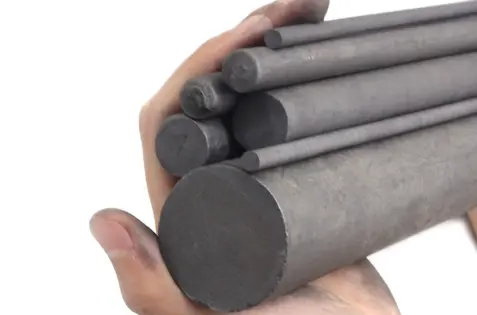
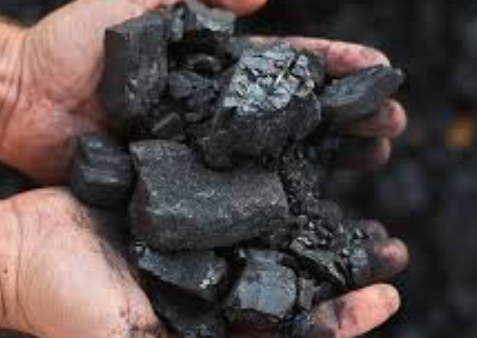
The origins of your raw materials matter a great deal. Both natural and synthetic graphite play enormous roles in global manufacturing, but they come from entirely different places. Natural graphite comes straight out of a mine. Workers extract the raw ore from the earth and then crush it to separate the valuable carbon flakes from the surrounding rock. A typical graphite mine usually produces flake, amorphous, or vein types. The production of natural graphite involves extensive flotation and purification steps. While mining is often cheaper upfront, it requires intense processing to achieve high purity.
On the flip side, synthetic graphite is produced through complex, high-temperature industrial treatments. Manufacturers do not dig this material out of the ground. Instead, they use heavy industrial byproducts like petroleum coke and coal tar pitch. They mix these raw carbon sources with a sticky binder, shape them into massive blocks or rods, and bake them.
This man-made version typically has lower levels of unwanted natural impurities like ash or sulfur. Furthermore, synthetic graphite possesses incredible electrical and thermal conductivity. Because it skips the traditional mine, it gives manufacturers total control over the final product’s physical density and purity.
| Feature | Natural Carbon | Synthetic Carbon |
|---|---|---|
| Origin | Earth / Open-pit mining | Industrial byproducts (coke) |
| Purity | Requires extensive chemical washing | Extremely high (often >99.9%) |
| Cost | Generally lower | Higher due to energy-intensive baking |
| Primary Use | Lubricants, basic batteries, refractories | Premium electrodes, advanced batteries |
Why Is the Demand for Graphite Skyrocketing by 2025?
If you monitor global supply chains, you already know the demand for graphite is shooting straight up. By the year 2025, industry experts expect a massive global supply squeeze. The primary driver behind this panic? The explosive rise of electric vehicles (EVs). Car manufacturers need millions of tons of battery-grade carbon to hit their aggressive production targets over the next decade.
This staggering growth in demand stretches across countries and regions, forcing smart buyers to secure their supply contracts years in advance. But the pressure does not come from cars alone. Massive energy storage systems designed to hold power from solar and wind farms also rely on huge battery banks. Because the graphite in lithium cells makes up roughly half of the physical weight of the battery, graphite resources are under serious strain.
You also see this tight supply affecting completely different sectors. Industries needing a reliable electrical conductor or an extreme-temperature lubricant are finding it harder to source premium materials. We are watching this graphite demand completely reshape trade routes globally. By 2025, the companies that secure reliable raw materials will dominate their respective markets.
Can Recycling of Graphite Truly Create a Sustainable Future?
With natural resources running tight and demand exploding, the industry must look at the end of the line. The life cycle of a power cell does not have to end in a toxic landfill. The recycling of graphite offers a brilliant way to reclaim valuable materials and close the loop. However, pulling clean carbon out of a dead battery is incredibly tough.
Processors must safely shred the cells and separate the valuable cathode metals (like lithium and cobalt) from the anode without ruining either material. Innovators use advanced chemical methods like acid leaching to clean the recovered carbon. They deliberately leach away leftover metals and binder glue. After the initial separation, they leach the remaining sludge again to ensure maximum purity.
This aggressive recycling push aims to make battery production much more sustainable. It also helps drastically reduce negative environmental impacts. In fact, recovering carbon from old cells produces far fewer emissions compared to digging a massive new hole in the earth or baking fresh petroleum coke for months. A sustainable supply chain is no longer just a marketing buzzword; it is a critical survival strategy.
What Role Does the Graphite Electrode Play in Steelmaking?
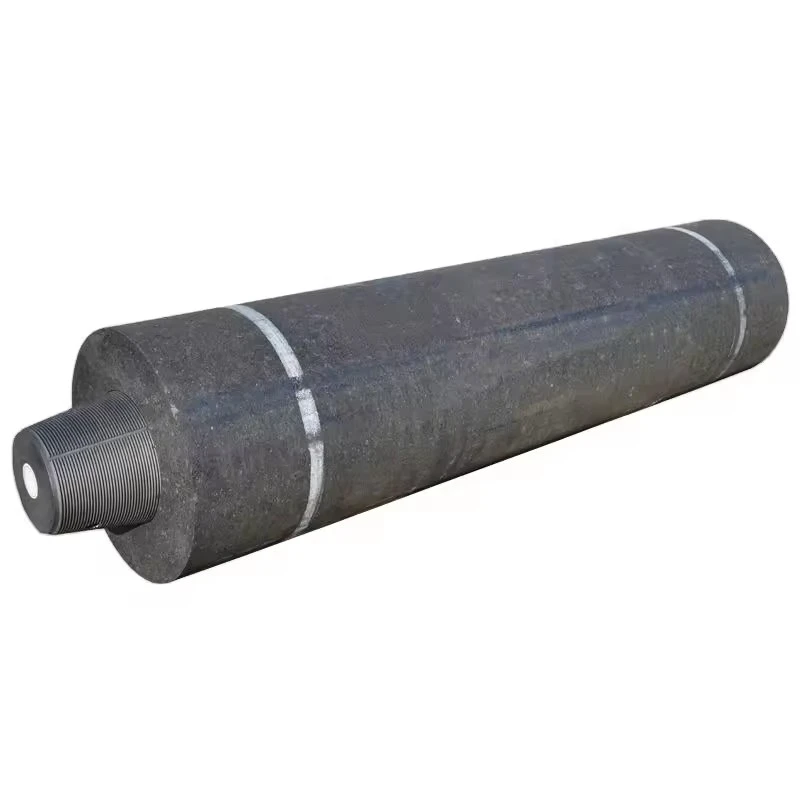
Let us step away from tiny batteries and look at heavy industry. In the fiery world of steelmaking, the graphite electrode is the undisputed king of the melt shop. When you operate an electric arc furnace (EAF), you need a massive, durable conductor to melt hundreds of tons of scrap metal. In this brutal environment, graphite is mostly chosen because it handles extreme thermal shock without melting.
The column conducts tens of thousands of amperes of electrical current straight into the scrap to smelt the metal quickly and efficiently. Managing your graphite electrode consumption is vital for keeping operational costs down. A premium electrode resists side oxidation and handles the intense mechanical stress of falling scrap.
As a procurement manager, your goal is achieving a low cost per ton of liquid steel. Using top-tierUltra-high power graphite electrode columns ensures your furnace runs longer between mandatory shutdowns. The role of graphite here is wonderfully clear: it keeps the arc steady, prevents catastrophic breakages, and keeps your profit margins healthy. Every modern electric arc furnace relies entirely on this steelmaking consumable to function.
How Does Crystal Structure Impact Battery Performance and Furnaces?
At the microscopic level, carbon behaves in fascinating ways. The exact crystal structure of the material dictates how it will perform in the real world. Chemists often talk about hexagonal and rhombohedral forms of carbon. In a power cell, the structure must allow for smooth lithiation—the scientific term for when lithium enters the carbon layers.
If the internal structure is weak or misaligned, the li atoms cause the layers to expand and physically crack over time. This ruins the electrochemical pathways. Conversely, a perfect lattice holds the li securely, ensuring excellent longevity. You want a highly graphitic material where the carbon atoms align perfectly.
This precise alignment creates a material that is either isotropic (uniform strength in all directions) or anisotropic (stronger in one specific direction). An isotropic block handles sudden thermal shock beautifully because it expands evenly. Whether you are using it as an electrode material to melt steel, or studying how an ion moves in a lab, the atomic layout changes everything. Every single li ion relies on that stable atomic parking garage.
From Mine to Refractory: What Are the Other Uses of Graphite?
The use of graphite extends far beyond power cells and steel mills. You find this incredibly versatile form of carbon in countless heavy-duty applications worldwide. For example, it is a primary ingredient in refractory bricks and protective linings.
When a foundry pours 1600°C liquid iron, the refractory material must survive insane heat without cracking. Because graphite possesses unmatched thermal stability, it is perfect for lining furnaces, ladles, and crucibles. You also see it widely used in the cutting-edge aerospace industry. Engineers blend it with other metals to create a tough, heat-resistant alloy, or they use expanded graphite to make high-performance gaskets that seal jet engines.
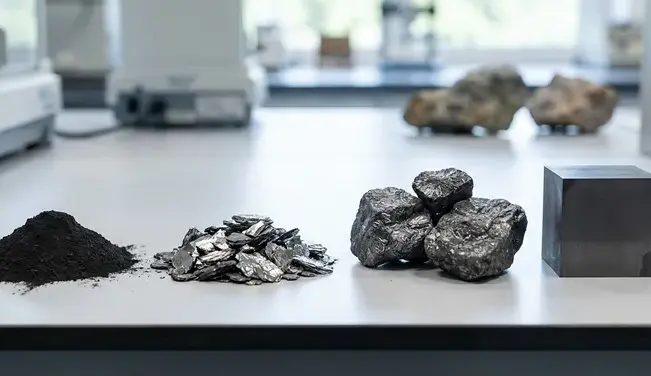
Because it remains slick and stable even at extreme temperatures, it acts as a brilliant dry lubricant where oil would simply burn away. Furthermore, when scientists heavily refine natural flakes, they can isolate graphene—a single-layer super-material that promises to revolutionize computing. From a simple refractory material to a complex alloy, it is widely used to solve extreme engineering problems.
Why Do Environmental Impacts Drive Us Toward Better Sourcing?
Every industrial action leaves a footprint. The heavy environmental impacts of carbon production dominate industry conversations today. Historically, natural graphite is obtained through open-pit mining, which significantly disrupts local habitats and water tables.
Conversely, baking the synthetic versions demands massive amounts of electricity. Buyers now demand to know the true environmental cost of their entire supply chain. Companies actively explore ways to create high purity products without dumping toxic waste. They invest in advanced scrubbers to clean the smoke from baking furnaces.
Achieving high purity no longer means sacrificing the local environment. This massive push for cleaner operations is rapidly changing global market share. Suppliers who invest in green technology are capturing more market share than those clinging to outdated, dirty methods. When procuring a massive High strength graphite block or specialized powders, checking the supplier’s environmental credentials is now standard practice.
How Does High Density Shape the Ideal Electrode Material?
Whether you are smelting scrap steel or designing a power bank, physical density matters immensely. A denser product literally packs more solid carbon into the exact same physical space. For an electric arc furnace, a high-density column means drastically less internal porosity.
Because there are fewer tiny holes, oxygen cannot easily penetrate deep into the rod. Therefore, it burns much slower. This physical density translates directly to better mechanical performance and dramatically lower consumption rates. You get maximum electrical conductivity without wasting material to side oxidation.
In lithium ion batteries, a dense material means you can pack more active energy-storing capacity into a tiny phone or car chassis. This density gives the cell a high energy density rating. When you evaluate Regular Power Graphite Electorode options, always check the bulk density metrics first. It proves exactly how well the product will hold up thermally and mechanically under extreme, unforgiving pressure.
The Life Cycle of Carbon: What Comes Next After Lithium-Ion Batteries?
The journey of this remarkable element is endless. It might start as raw sticky petroleum coke, become a powerful heating element, and later find entirely new life. As clean transport multiplies, millions of used power cells will soon hit the end of their operational road.
We must treat these old cells as an urban mine. By intelligently recovering the spent materials, we can finally close the industrial loop. The future belongs to those who deeply understand this cycle. Smart companies will blend virgin natural graphite, advanced synthetic materials, and highly purified recycled carbon to build the next generation of tools.
The materials used in electric vehicles and giant steel mills share a common, fascinating ancestry. It is a continuous loop of innovation.
Key Takeaways to Remember
- Understand the Origin: Synthetic material offers higher purity and better conductivity than mined alternatives, making it ideal for extreme industrial environments.
- Density is Everything: Always check the bulk density. Higher density means slower oxidation in furnaces and better capacity in power cells.
- Embrace the Loop: The recycling of old cells is not just an environmental trend; it is a critical strategy to combat the massive supply shortages expected by the end of the decade.
- Protect the Joint: In heavy industry, matching the thermal expansion of the nipple to the main body prevents costly breakages and downtime.
- Purity Matters: Even tiny trace elements can ruin a batch of steel or short-circuit a high-performance cell. Always demand certified laboratory testing from your suppliers.
Post time: 04-16-2026