
Every melt shop manager knows the pain of a snapped column. It stops the furnace cold. But beyond physical breakage, the financial shock of volatile market pricing can ruin your quarterly margins. This comprehensive guide breaks down the complex factors driving the electrode price today. From understanding why the price of uhp graphite electrode fluctuates to mastering your raw material supply chain, we will explore everything you need to know. Whether you are dealing with export logistics or just trying to secure a stable price of graphite electrode for your next quarter, this article is worth reading. Let’s dive deep into the world of the uhp graphite electrode, evaluate the true graphite electrode price of ownership, and discover strategies to keep your operations running profitably while maintaining your raw material supply.
How Do Market Trends Influence the Global Graphite Electrode Network?
The global landscape for steel consumables is shifting beneath our feet. We see drastic changes in market trends every single quarter. Why? Because the balance of supply and demand is incredibly sensitive. As the world pushes for greener alternatives, the reliance on the traditional blast furnace is slowly decreasing. Instead, mills are rapidly adopting cleaner technologies, which drastically impacts the overall supply of vital components.
When you look at the graphite electrode market, it is impossible to ignore the macro-economic environment. The global economic climate dictates infrastructure spending, which in turn drives steel production. When construction booms, the demand for graphite electrodes skyrockets. Conversely, during economic downturns, mills throttle their production rates, leaving suppliers with excess inventory. This ebb and flow makes forecasting a serious challenge for procurement directors.
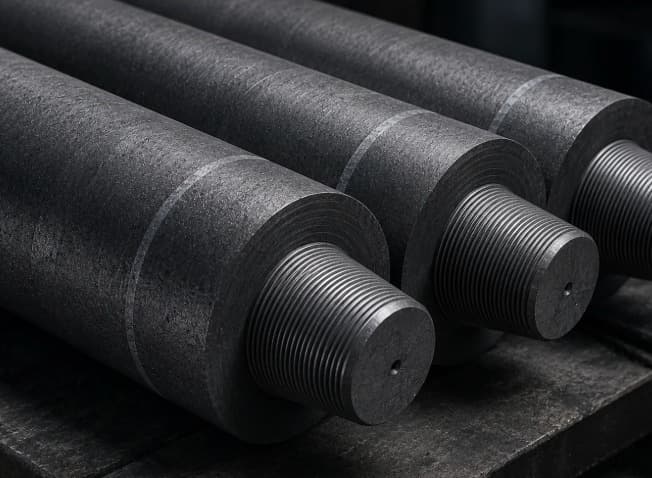
To stay ahead, you must monitor these shifts closely. It is not just about what is happening in your local market. If a major refinery in Europe goes offline, or if there is a sudden spike in industry demand in South America, the ripple effects hit your desk within weeks. Understanding these interconnected networks is the first step toward building a resilient purchasing strategy.
Why Is the UHP Graphite Electrode Crucial for the Modern Steel Industry?
If you operate a modern facility, you know that time is money. The shift toward electric arc furnace steelmaking has fundamentally changed how we melt scrap. In these high-intensity environments, a standard electrode simply melts away. This is where the uhp graphite electrode becomes absolutely essential. Designed to handle extreme current densities, this ultra-high power marvel is the lifeblood of the modern steel industry.
Producing high-quality electric arc furnace steel requires consistent, intense heat. A UHP electrode delivers this by maintaining incredible structural integrity even at temperatures exceeding 3000°C. If you try to cut corners and use a lower-grade product, the thermal shock will cause the tip to spall, dropping chunks of carbon directly into your melt. This ruins your steel chemistry and halts your steelmaking process.
For those managing large eafs (Electric Arc Furnaces), investing in premium Ultra-high power graphite electrode stock is non-negotiable. These products offer the low electrical resistance and high mechanical strength necessary to push your furnace to its absolute limits without risking a catastrophic column break.
What Are the Real Drivers Behind Price Trends and the Current Electrode Price?
Let’s talk about the bottom line. What actually dictates the price trends we see on our screens every morning? The electrode price is not a random number pulled from thin air. It is heavily influenced by international prices for raw materials and the cost of energy. When the cost of electricity surges, the cost of graphite electrode baking and graphitizing surges right alongside it.
You might occasionally see a sudden price increase in the market. Often, this is driven by spot prices for raw inputs jumping unexpectedly. While many large mills secure long-term contracts, those forced to buy on the spot market bear the brunt of these fluctuations. It is crucial to understand that the graphite prices you pay are a direct reflection of the global energy and material indexes.
To protect your budget, you must analyze the cost per tonne of liquid steel, not just the sticker price of the electrode. A cheaper electrode that consumes twice as fast will ultimately destroy your margins. By understanding the underlying drivers of the electrode price, you can negotiate better terms and avoid being caught off guard when market dynamics shift.
How Does Heavy Export Volume Affect Your UHP Supply Chain?
In today’s interconnected world, borders matter less, but logistics matter more. The global export of carbon products is a massive logistical undertaking. When you are moving a 700mm uhp electrode across oceans, packaging and handling are critical. Poor palletizing can lead to cracked nipples and ruined threads before the product even reaches your melt shop.
However, heavy export volumes can also strain the supply chain. We have all experienced the pain of unexpected shipping delays. When ports are congested, your safety stock dwindles rapidly. Furthermore, purchasing across borders means navigating complex trade laws. A sudden tariff implementation can completely wipe out the cost advantage of an overseas purchase.
This is why many managers closely watch import and export ratios. If a major producing nation restricts its exports to feed its domestic steel industry, global supplies tighten immediately. Always clarify your fob terms and work with a supplier who has a proven track record of navigating international freight seamlessly.
Can A Strict Cost Analysis Help You Procure Better Furnace Components?
Procurement is not just about finding the lowest number on a spreadsheet; it is a strategic function. Conducting a rigorous cost analysis allows you to see the hidden expenses associated with poor-quality consumables. When you set out to procure your next batch of electrodes, ask yourself: what is the true cost of a broken column?
Think about the downtime. Every minute your furnace sits idle while the maintenance crew fishes a broken nipple out of the bath costs thousands of dollars. Therefore, your procurement strategy must weigh physical properties—like bulk density and coefficient of thermal expansion (CTE)—just as heavily as the initial purchase price.
Working with a reliable graphite electrode manufacturer means you get detailed laboratory reports with every batch. By integrating this technical data into your cost analysis, you transition from being a simple buyer to a strategic partner in your mill’s operational success. Don’t just buy; invest in stability.
What Makes Graphite Electrode Manufacturing So Incredibly Complex?
Have you ever wondered why it takes months to make a single electrode? Graphite electrode production is an exercise in extreme patience and precision. The electrode manufacturing process involves multiple stages of mixing, extruding, baking, and machining. It is not something that can be rushed.
One of the most critical steps is impregnation. After the initial baking, the porous carbon rod is submerged in special pitch under high pressure. This fills the microscopic voids, drastically increasing the density and strength of the final product. Following this, the material undergoes graphitization, where it is heated to nearly 3000°C for weeks. This extreme heat aligns the carbon atoms into a highly conductive crystalline structure.
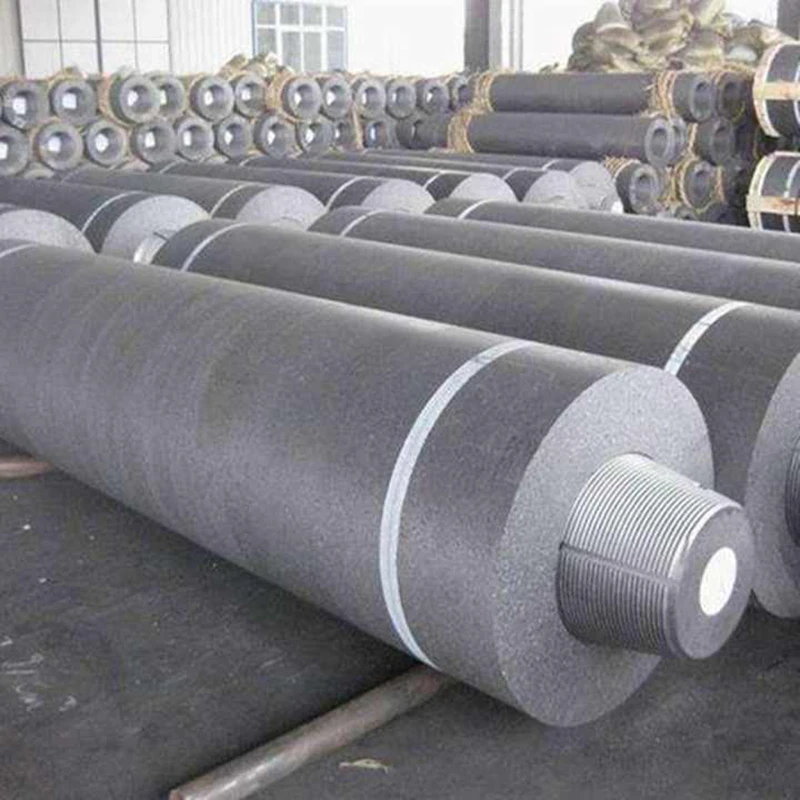
Maintaining stable production during these highly volatile thermal phases requires immense technical expertise. Top-tier manufacturing plants operate around the clock, utilizing advanced sensors to monitor every degree of temperature change. This level of dedication in electrode production is what guarantees the High-power graphite electrode performs flawlessly when it finally hits your furnace.
How Crucial Is the Raw Material Mix for Your UHP Graphite Electrode?
The secret to a world-class electrode lies entirely in its recipe. You cannot bake a premium cake with subpar flour, and you cannot make a UHP electrode with standard coke. The raw material mix is the single most important factor determining the final quality. While it is true that the base ingredients for standard graphite electrodes are petroleum coke and coal tar pitch, UHP grades require something special.
That special ingredient is needle coke. Its unique, needle-like crystalline structure allows for superior electrical conductivity and a remarkably low CTE. However, needle coke production is limited globally. Many manufacturers rely heavily on imported needle coke to meet their quality standards. A disruption in needle coke imports can severely impact a factory’s ability to increase production.
When evaluating a supplier, always ask about their petroleum coke and needle coke sourcing. Do they use 100% premium needle coke for their UHP lines, or are they blending it with cheaper petroleum coke to save money? We also supply specialized additives like calcined petroleum coke (often known as cpc) for carbon raising. The purity of your raw material supply directly dictates the purity of your liquid steel.
How Does Green Energy Impact the Market Trends in Steelmaking?
The world is waking up to the environmental impact of heavy industry, and environmental regulations are becoming stricter every year. This has sparked a massive transition toward electric energy in the metallurgy sector. As mills move away from coal-fired processes, the demand side for electrical consumables is surging.
This transition is causing a rapid increase in steel produced via the EAF route. Electric furnace steel is highly regarded because it allows for the extensive recycling of scrap metal, significantly lowering the carbon footprint compared to traditional methods. As steel producers adapt to these green mandates, they are putting unprecedented pressure on the supply chain for graphite electrodes for electric furnaces.
This shift in the steel sector is permanent. The reliance on electric energy means that high-quality conductive materials are no longer just an operational need; they are an environmental compliance necessity. Staying ahead of these market conditions ensures your mill remains competitive and compliant in a rapidly changing world.
Will Export Tariffs Change the Electrode Price Next Quarter?
When we look at the global map of carbon production, one region stands out. The capacity in China is staggering, making it the undisputed heavyweight in global supply. The prices in China often set the baseline for the rest of the world. Because of this massive scale, buyers across Europe, the Middle East, and the Americas closely monitor chinese graphite export policies.
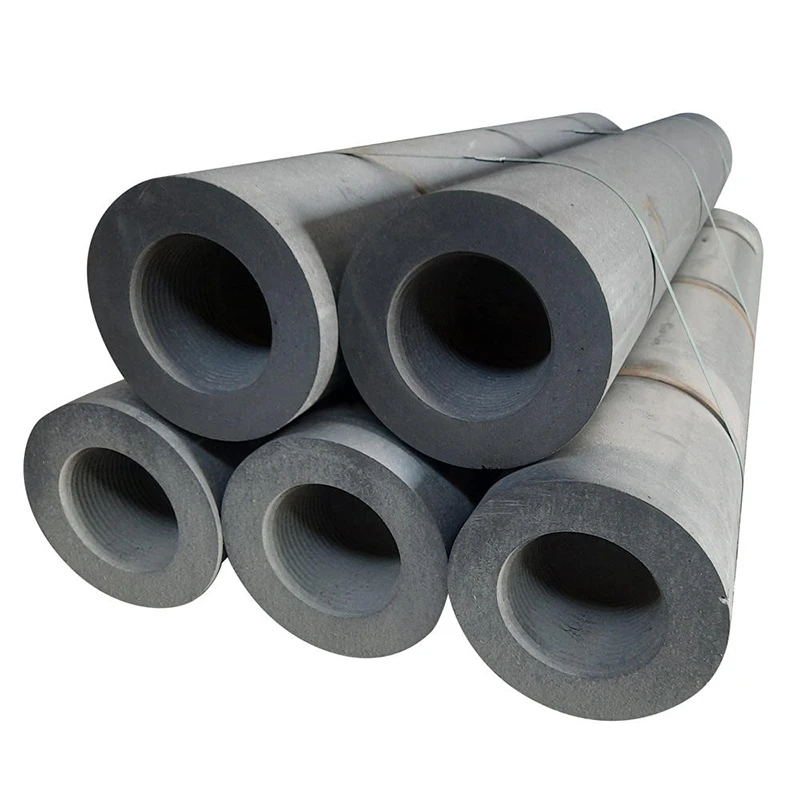
However, China is not the only player. There are significant manufacturers scattered across other Asian countries, and major legacy brands like GrafTech in the West, Tokai in Japan, and heavyweights like HEG and Graphite India in the subcontinent. This diversity in supply helps stabilize the market, but it also creates complex geopolitical pricing structures.
For developing countries trying to build up their infrastructure, navigating these global tariffs is a daily struggle. If a new trade policy is enacted, the cost of import can spike overnight. This is why many smart buyers are locking in their Regular Power Graphite Electorode and UHP contracts early. Securing a strong fob agreement with a reliable Chinese factory can shield you from the worst of these sudden geopolitical price shocks.
What Does the Future Hold for UHP Quality in the Steel Industry?
As we look toward the next decade, what are the key factors that will define success in the melt shop? First and foremost, technological advancements in furnace design will continue to push the boundaries. As furnaces get larger and transformers become more powerful, the demand for extreme diameter electrodes (like 700mm and 800mm) will only grow.
To meet this demand, carbon factories must continuously invest in their production capacity. It is not enough to just maintain the status quo; factories must actively increase production capabilities while maintaining microscopic quality control. Furthermore, as steel manufacturing becomes more automated, the tolerance for consumable failure will drop to zero. An automated plant cannot afford a nipple break.
The future of steel production relies on strong partnerships. You need a supplier who understands the chemistry of your bath, the physics of your arc, and the economics of your bottom line. By staying informed on everything from raw material shifts to global logistics, you can ensure your EAF runs smoother, hotter, and more profitably than ever before.
Key Takeaways for Melt Shop Professionals
- Understand the Drivers: The graphite electrode price is heavily dictated by global energy costs and the availability of premium raw materials like needle coke.
- Quality is Non-Negotiable: For EAF operations, utilizing a true uhp graphite electrode prevents catastrophic thermal shock and expensive downtime.
- Analyze Total Cost: Do not just look at the initial electrode price. Perform a strict cost analysis on consumption rates (kg/ton) to find your true operational expense.
- Monitor the Supply Chain: Keep a close eye on export policies and shipping delays, as they can quickly erode your safety stock and inflate your fob costs.
- Raw Materials Matter: Ensure your supplier relies on high-quality imported needle coke or top-tier domestic sources rather than diluting their UHP mix with standard petroleum coke.
- Embrace the Shift: As environmental regulations push more mills toward electric arc furnace steelmaking, securing long-term contracts now will protect you from future shortages in global supply.
Post time: 07-01-2026