
Graphite electrodes are essential consumable materials used in electric arc furnaces, ladle furnaces, refining operations, and some industrial heating processes. If you need to get graphite electrodes for steelmaking or other high-temperature applications, the best approach is to define your technical requirements first, then source from a qualified supplier that can provide consistent quality, documentation, packaging, and delivery support.
For a steel mill, choosing the right Graphite Electrode For Steel Plant operation is not simply a purchasing task. It affects furnace efficiency, power consumption, electrode consumption rate, downtime, breakage risk, and production stability.
What Are Graphite Electrodes?
Graphite electrodes are cylindrical conductive components made from high-quality petroleum coke, needle coke, coal tar pitch, and other carbon-based materials. They are baked, impregnated, graphitized, machined, and threaded to create a product capable of carrying high electrical current under extreme temperatures.
In an electric arc furnace, graphite electrodes conduct electricity into the furnace charge. The arc formed between the electrode and the metal charge creates intense heat that melts scrap steel, direct reduced iron, or other furnace materials.
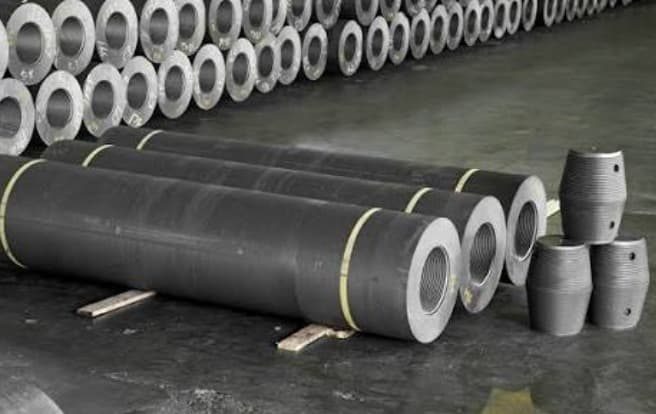
Where Are Graphite Electrodes Used?
Graphite electrodes are widely used in:
- Electric arc furnace steelmaking
- Ladle furnace refining
- Ferroalloy production
- Silicon metal production
- Industrial furnaces
- Foundries
- High-temperature melting processes
- Certain chemical and metallurgical applications
The most common demand comes from steel plants using electric arc furnaces. In these environments, electrode quality has a direct effect on melting performance.
Step 1: Confirm Furnace Requirements
Before buying graphite electrodes, confirm the furnace and operating requirements. Important information includes:
- Furnace type
- Transformer capacity
- Electrode diameter
- Electrode length
- Grade requirement
- Current load
- Power density
- Consumption target
- Nipple type
- Thread design
- Furnace operating practice
- Steel grade being produced
- Expected delivery schedule
A supplier cannot recommend the right product accurately without basic technical details.
Step 2: Choose the Right Electrode Grade
Graphite electrodes are commonly classified by grade according to performance and current-carrying capability.
Common categories include:
- Regular power graphite electrodes
- High power graphite electrodes
- Ultra high power graphite electrodes
Regular power electrodes are generally used for lower-intensity furnace operations. High power electrodes are used for more demanding melting conditions. Ultra high power electrodes are designed for high-current, high-efficiency electric arc furnace steelmaking.
For a Graphite Electrode For Steel Plant, grade selection should match furnace power, operating intensity, and production goals. Using a lower-grade electrode in a high-power furnace may increase breakage, oxidation, and consumption.
Step 3: Check Key Technical Specifications
When sourcing graphite electrodes, buyers should review the technical data sheet carefully.
Important specifications include:
- Electrical resistivity
- Bulk density
- Flexural strength
- Elastic modulus
- Coefficient of thermal expansion
- Ash content
- Diameter tolerance
- Length tolerance
- Nipple strength
- Thread accuracy
- Surface quality
- Machining precision
These properties affect conductivity, strength, thermal shock resistance, oxidation behavior, and connection reliability.
Step 4: Evaluate Nipple and Thread Quality
Graphite electrodes are connected by nipples with precision threads. The connection area is critical because poor thread fit can cause loosening, breakage, increased resistance, or furnace downtime.
Buyers should confirm:
- Nipple material grade
- Thread type
- Thread machining accuracy
- Pitch diameter control
- Socket quality
- Joint strength
- Protective end caps
- Handling and installation guidance
A high-quality electrode body can still perform poorly if the nipple or thread is not reliable.
Step 5: Choose a Qualified Supplier
A dependable graphite electrode supplier should provide consistent product quality, stable production capacity, technical communication, and reliable shipping support.
When evaluating suppliers, consider:
- Production experience
- Raw material control
- Quality inspection process
- Product range
- Technical documentation
- Export packaging
- Delivery capability
- After-sales communication
- Ability to match furnace applications
- Consistency between batches
Price matters, but in steelmaking, poor electrode quality can create much higher costs through breakage, furnace stoppage, and higher consumption.
Step 6: Request Documentation
Before confirming an order, buyers may request documents such as:
- Technical data sheet
- Product specification
- Quality inspection report
- Packing list
- Commercial invoice
- Material test information when available
- Handling and storage guidance
- Certificate of origin when required
Clear documentation helps purchasing teams, engineers, and warehouse staff verify that the shipment matches the order.
Step 7: Plan Packaging and Transportation
Graphite electrodes are strong in service but can be damaged by impact, moisture, rough handling, or poor stacking during transport.
Good packaging should protect:
- Electrode ends
- Threads
- Nipples
- Surfaces
- Edges
- Bundles during forklift movement
- Products during sea or land shipment
Electrodes should be stored in a dry, clean area and handled with suitable lifting tools. Thread damage before installation can cause serious operating problems.
How to Store Graphite Electrodes
Proper storage helps preserve electrode quality.
Recommended practices include:
- Keep electrodes dry.
- Avoid rain and standing water.
- Store on stable supports.
- Protect threaded ends.
- Avoid impact during handling.
- Do not roll electrodes roughly.
- Keep nipples and sockets clean.
- Allow cold electrodes to warm before furnace use when needed.
- Follow supplier handling instructions.
Moisture and mechanical damage can increase the risk of cracking or breakage during operation.
Common Buying Mistakes
One common mistake is choosing only by lowest price. A cheaper electrode may have higher consumption, lower strength, or poor machining accuracy.
Another mistake is ordering the wrong diameter or nipple type. Even small specification errors can prevent proper installation.
A third mistake is ignoring furnace operating conditions. Electrode performance depends on furnace power, current practice, scrap quality, oxygen use, arc stability, and operator control.
Conclusion
To get graphite electrodes, start by confirming furnace requirements, electrode diameter, grade, length, nipple type, and operating conditions. Then evaluate suppliers based on product quality, technical specifications, machining accuracy, packaging, documentation, and delivery reliability.
For steelmaking, the right Graphite Electrode For Steel Plant can help improve melting efficiency, reduce breakage, control consumption, and support stable furnace operation. Careful sourcing is essential because graphite electrodes are not only consumables, but key performance materials in electric furnace production.
For graphite electrode product information, visit ZGTDTS.
Post time: 08-12-2026