
In electric steelmaking, the graphite electrode is not a minor consumable. It is one of the components that directly affects melting speed, power efficiency, electrode consumption, furnace stability, and production cost. A well-matched graphite electrode for a steelmaking furnace helps transfer electrical energy into the furnace charge, creating the intense arc heat needed to melt scrap steel, direct reduced iron, hot metal, or alloy materials.
For steel plants, the right electrode is selected according to furnace capacity, transformer power, current density, steel grade, operating practice, and target consumption rate. A low-quality or poorly matched electrode may increase breakage, oxidation, furnace downtime, and total production cost.
Why Graphite Electrodes Matter in Steelmaking
Electric arc furnace steelmaking depends on controlled electrical energy. Graphite electrodes carry high current from the electrode arms into the furnace. When the electrode tip approaches the metallic charge, an electric arc forms and generates extremely high heat.
That heat melts the charge and supports refining operations. During this process, the electrode is exposed to electrical load, thermal shock, oxidation, vibration, mechanical stress, and chemical attack from furnace gases and slag.
This is why electrode quality matters. It must conduct electricity efficiently while resisting breakage and excessive consumption.
Main Furnace Applications
Graphite electrodes are used in several steel plant areas.
Electric Arc Furnace
The electric arc furnace, often called EAF, is the main melting unit in many steel plants. It uses graphite electrodes to generate arc heat for melting scrap or other iron-bearing materials. EAF operation can be highly demanding because current levels, arc instability, oxygen blowing, and scrap collapse all place stress on the electrode.
Ladle Furnace
A ladle furnace is used after primary melting to adjust temperature and chemistry. Graphite electrodes provide heating during refining. Although the operating environment may be different from an EAF, electrode stability and conductivity remain important.
Refining and Alloy Operations
Some steelmaking processes require controlled heating for alloy adjustment, slag treatment, and temperature holding. Electrode performance influences process consistency and energy use.
Choosing the Right Electrode Grade
Graphite electrodes are commonly grouped into regular power, high power, and ultra high power grades. The correct grade depends on the furnace’s electrical and thermal demands.
Regular power electrodes may be suitable for lower-power applications. High power electrodes are used when higher current and better thermal performance are required. Ultra high power electrodes are designed for demanding EAF operations with high current density, faster melting, and more intensive production cycles.
A steel plant should not choose grade only by price. If the furnace requires high power operation, using a lower-grade electrode may increase breakage and consumption enough to erase any initial savings.
Key Technical Properties
When evaluating graphite electrodes for steelmaking furnaces, buyers usually review several technical properties.
Important indicators include:
- Electrical resistivity
- Bulk density
- Flexural strength
- Elastic modulus
- Coefficient of thermal expansion
- Ash content
- Porosity
- Machining accuracy
- Nipple quality
- Thread precision
Low electrical resistivity supports efficient current flow. Good flexural strength helps reduce breakage. A suitable coefficient of thermal expansion improves resistance to thermal shock. Accurate machining helps ensure stable electrode joints.
Nipple and Joint Performance
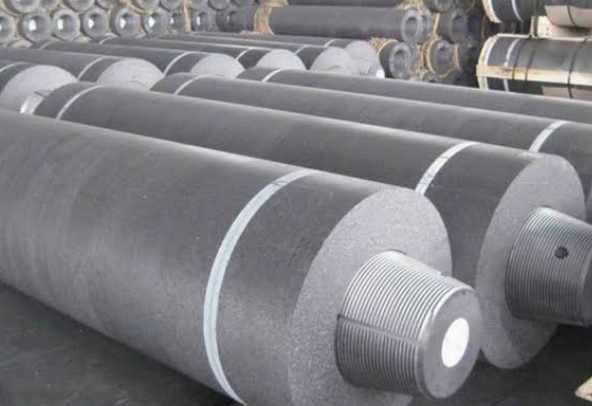
The electrode body receives much attention, but the nipple connection is equally important. Electrodes are joined section by section using threaded nipples. If the joint is weak, loose, misaligned, or poorly machined, the furnace may experience increased resistance, hot spots, joint failure, or electrode breakage.
Steel plants should check:
- Nipple grade
- Thread accuracy
- Socket cleanliness
- Joint strength
- Pitch diameter control
- Assembly torque
- Protective caps
- Handling damage
A reliable graphite electrode for steelmaking furnace use must perform as a complete electrode and nipple system.
Electrode Consumption: What Affects It?
Electrode consumption is one of the main concerns for steelmakers. It is influenced by both electrode quality and furnace operation.
Major factors include:
- Current density
- Arc stability
- Furnace power practice
- Oxygen use
- Scrap quality
- Charging method
- Slag foaming
- Cooling water leaks
- Electrode regulation
- Oxidation exposure
- Mechanical impacts from scrap collapse
- Operator practice
A high-quality electrode can still perform poorly if furnace operation is unstable. Likewise, good operating practice can help reduce consumption and breakage.
Storage and Handling at the Steel Plant
Graphite electrodes should be handled carefully before use. They are strong under designed operating conditions, but they can be damaged by impact, thread contamination, moisture, or poor lifting practices.
Recommended handling practices include:
- Store electrodes in a dry area.
- Protect threads and nipples.
- Avoid dropping or rolling electrodes roughly.
- Keep sockets clean.
- Use proper lifting tools.
- Inspect before installation.
- Avoid sudden thermal shock when possible.
- Follow correct tightening procedures.
Damage during storage or handling can lead to failure during furnace operation.
What Steel Plants Should Ask Suppliers
Before placing an order, steel plants should confirm both product specifications and supply capability.
Useful questions include:
- What electrode grade is recommended for the furnace?
- What diameter and length are available?
- What nipple type is supplied?
- Can technical data sheets be provided?
- How is thread accuracy controlled?
- What packaging protects the electrode ends?
- What quality inspection is performed?
- Can batch consistency be maintained?
- What delivery schedule is possible?
- Is technical communication available for furnace matching?
A supplier’s ability to provide consistent quality can be as important as the product data sheet itself.
Cost Is More Than Purchase Price
The lowest electrode price does not always mean the lowest steelmaking cost. A cheaper electrode may increase:
- Consumption per ton
- Furnace downtime
- Breakage loss
- Energy use
- Joint failures
- Maintenance work
- Production delays
Steel plants should evaluate cost per ton of steel, not only cost per ton of electrode. In many cases, better performance and lower breakage provide stronger value than a lower purchase price.
Conclusion
A graphite electrode for steelmaking furnace operation is a critical material for electric arc furnaces, ladle furnaces, and refining processes. It must deliver high electrical conductivity, thermal shock resistance, mechanical strength, accurate machining, and reliable nipple connection performance.
For steel plants, the best electrode is the one matched to furnace power, current density, operating practice, and production goals. Careful selection can reduce electrode consumption, improve furnace stability, lower downtime, and support more efficient steelmaking.
For graphite electrode product information, visit ZGTDTS.
Post time: 08-19-2026