
Yes, graphite can be scrapped, collected, sorted, processed, and reused in many industrial applications. Graphite is a carbon-based material with high thermal stability, good electrical conductivity, chemical resistance, and lubricating properties. Because of these characteristics, certain forms of graphite scrap can still have commercial value after their first service life.
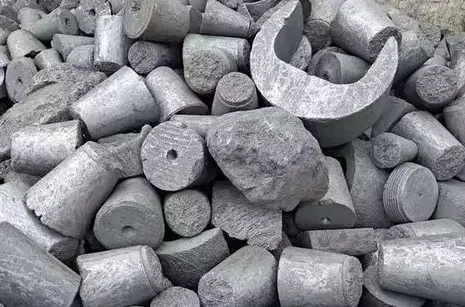
The most common industrial example is Graphite Electrode Scrap, which comes from used, broken, cut, or leftover graphite electrodes in steelmaking and related high-temperature processes. Instead of being treated only as waste, this material can often be recycled or repurposed as a carbon additive, recarburizer, conductive material, or raw material for suitable carbon products.
Why Graphite Scrap Has Value
Graphite is not an ordinary waste material. High-quality industrial graphite requires controlled raw materials, high-temperature processing, and strict production steps. When a graphite product breaks, wears down, or is removed from service, it may still contain useful carbon content.
This is why graphite scrap is traded in many industrial markets. Its value depends on purity, carbon content, ash level, sulfur level, particle size, contamination, source, and intended reuse.
Clean graphite scrap from electrode production or steel plant operations is generally more useful than mixed or contaminated material. Buyers and recyclers often pay attention to whether the scrap is from graphite electrodes, graphite blocks, machined graphite parts, graphite crucibles, or other carbon materials.
Common Sources of Graphite Scrap
Graphite scrap can come from several industrial activities. In electrode manufacturing, scrap may be generated during cutting, machining, shaping, or quality sorting. In steelmaking, used electrode stubs and broken electrode pieces are common sources. In foundries and high-temperature industries, worn graphite molds, crucibles, plates, and blocks may also become scrap.
Typical sources include:
- Used graphite electrode stubs
- Broken graphite electrodes
- Offcuts from electrode production
- Graphite machining dust or chips
- Graphite blocks and plates
- Graphite molds and crucibles
- Carbon and graphite furnace components
Not all graphite scrap has the same value. Large clean pieces may be easier to sort and process, while fine powder or mixed scrap may require additional treatment.
How Graphite Electrode Scrap Is Reused
Graphite Electrode Scrap is widely reused because it normally has relatively high fixed carbon content and useful electrical and thermal properties. After sorting and crushing, it can be processed into different particle sizes for downstream applications.
One common use is as a recarburizer in steelmaking and foundry production. Carbon is added to molten metal to adjust carbon content and improve process control. Graphite electrode scrap can also be used in certain carbon products, friction materials, conductive materials, and specialty industrial blends.
The final use depends on the chemical analysis and physical size of the scrap. For example, low-sulfur, low-ash material may be preferred for higher-quality metallurgical applications.
Is All Graphite Scrap Recyclable?
Most graphite scrap can be recycled in some form, but not all scrap is suitable for every application. Contamination is the biggest issue. Scrap mixed with metals, oil, slag, refractory material, insulation, chemicals, or other impurities may require cleaning or may be unsuitable for higher-value uses.
Particle size also matters. Large electrode pieces can be crushed and screened. Chips and dust may be usable in some applications but may need careful handling because fine carbon dust can create workplace cleanliness and safety concerns.
Before recycling or buying graphite scrap, material testing is important. Fixed carbon, ash, sulfur, volatile matter, moisture, and particle size distribution are common indicators used to evaluate quality.
What Buyers Should Check Before Purchasing
Buyers of graphite scrap should not rely only on photos or general descriptions. Two batches may look similar but have very different carbon content, impurity levels, or performance value.
Important checks include:
- Source of the scrap
- Fixed carbon content
- Ash percentage
- Sulfur level
- Moisture content
- Particle size or lump size
- Presence of metal or slag contamination
- Packaging method
- Supply stability
- Testing documentation
- Intended application compatibility
For Graphite Electrode Scrap, consistency is especially important. Steel plants, foundries, and carbon product manufacturers often need predictable material chemistry to maintain stable production.
Graphite Scrap vs. Petroleum Coke and Other Carbon Additives
Graphite scrap is sometimes compared with petroleum coke, calcined coke, anthracite, and other carbon materials. Each material has different properties, cost, sulfur content, absorption behavior, and application suitability.
Graphite electrode scrap may offer advantages in certain metallurgical uses because of its graphitized structure and carbon quality. However, the best choice depends on the production process, melt chemistry, budget, and quality requirements.
A buyer should evaluate total performance, not only price per ton. A cheaper carbon additive may be less effective if it has higher impurities, lower absorption, or inconsistent sizing.
Handling and Processing Considerations
Graphite scrap is typically sorted, crushed, screened, packaged, and transported according to buyer requirements. Large pieces may be broken down into lumps or granules. Fines may be collected separately.
During handling, dust control is important. Workers should use suitable protective equipment, and facilities should manage dust accumulation, ventilation, and housekeeping. Storage areas should be dry and protected from contamination.
Good packaging helps preserve material quality during shipment. Bags, jumbo bags, or bulk packaging may be used depending on volume and particle size.
Why Reliable Supply Matters
For industrial users, graphite scrap is not just a recyclable material; it can be part of a production formula. If the material changes from batch to batch, the production result may also change.
A reliable supplier should understand the source of the scrap, provide consistent grading, support testing, and communicate clearly about available sizes and specifications. This is especially important for buyers using graphite scrap in steelmaking, foundry work, or carbon processing.
Final Thoughts
Graphite can be scrapped and reused in many industrial applications. Clean graphite scrap, especially Graphite Electrode Scrap, can have strong value as a carbon additive, recarburizer, conductive material, or raw material for carbon products.
The real value depends on source, carbon content, impurity level, particle size, contamination control, and supply consistency. Buyers should confirm technical specifications before purchasing and choose material that matches the intended industrial use.
For graphite electrode scrap and carbon material product information, visit ZG TDTS.
Post time: 08-26-2026