
Graphite electrodes are essential consumables in electric arc furnaces and other high-temperature industrial processes. They offer excellent electrical conductivity, high-temperature stability, and strong performance in demanding melting operations. However, graphite electrodes also have limitations that users should understand when selecting grades, planning furnace operations, and controlling production costs.
The main disadvantages of graphite electrodes include oxidation loss, continuous consumption, breakage risk, sensitivity to improper handling, high material cost, and performance variation caused by operating conditions. A suitable High Purity Graphite Electrode can reduce some of these risks, but no graphite electrode is completely immune to wear or furnace-related damage.
Graphite electrodes are consumable materials
One of the biggest disadvantages of graphite electrodes is that they are consumed during operation. Unlike many mechanical furnace components, graphite electrodes are gradually used up as they conduct electrical current and create the arc needed for melting.
Electrode consumption can occur through:
- Tip consumption in the electric arc
- Side oxidation
- Mechanical breakage
- Thermal shock
- Spalling or surface loss
- Dissolution into slag or molten material
- Connection and nipple-related damage
Because electrodes are consumables, users must monitor inventory, consumption rate, furnace performance, and total cost per tonne of output.
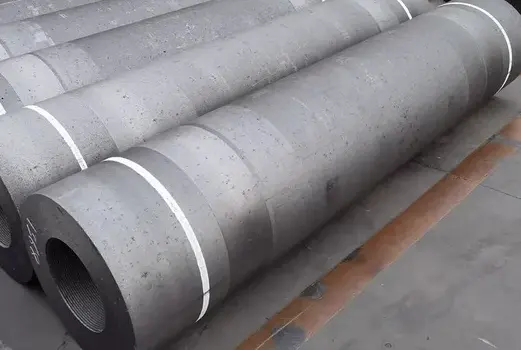
Oxidation can increase electrode consumption
Graphite can oxidize when exposed to oxygen at elevated temperatures. In electric arc furnace operation, side oxidation is often an important source of electrode loss.
The oxidation rate can increase when:
- Furnace doors remain open for long periods
- Electrode-port sealing is poor
- Air is drawn into the furnace
- Oxygen injection is high
- Electrode columns are exposed to excessive heat
- Furnace operating time is extended
- The selected electrode grade is unsuitable for the current load
Oxidation reduces the diameter and mechanical strength of the electrode. If it becomes severe, it can raise consumption costs and increase the risk of breakage.
Graphite electrodes can break
Graphite electrodes are strong in their intended operating direction, but they are not immune to mechanical damage. Breakage can occur during transport, storage, handling, connection, furnace charging, or operation.
Common causes of electrode breakage include:
- Incorrect tightening torque at the joint
- Damaged threads or nipples
- Poor alignment of the electrode column
- Excessive mechanical vibration
- Scrap collapse during melting
- Rapid thermal change
- Moisture exposure before heating
- Overloading beyond the recommended current range
- Improper lifting equipment
A broken electrode can interrupt furnace operation, create safety concerns, and increase production downtime. In severe cases, the remaining electrode section may need to be removed before normal melting can continue.
Graphite electrodes require careful storage and handling
Graphite electrodes can be damaged before they are ever installed in a furnace. Their threads, nipples, and surface areas should be protected from impact, water, dirt, and other contamination.
Electrodes should be stored in a dry, covered area and handled with suitable lifting equipment. Dropping an electrode, striking the joint area, or placing an electrode on an uneven surface may cause damage that is not immediately visible.
Proper handling is particularly important for large-diameter and ultra-high-power grades, where a damaged connection can affect the stability of the entire electrode column.
High material and supply-chain cost
Graphite electrodes can represent a significant operating cost for electric arc furnace steelmaking and other high-temperature processes. The manufacturing process requires specialized carbon raw materials, controlled forming, baking, impregnation, graphitization, machining, and quality inspection.
Prices can also be influenced by:
- Needle coke availability
- Petroleum coke and coal tar pitch markets
- Energy costs
- Production capacity
- Transport distance
- Electrode diameter
- Grade requirements
- Market demand from EAF steel production
A lower purchase price does not always mean a lower total operating cost. A less suitable electrode may have higher consumption, more frequent breakage, unstable current performance, or reduced furnace productivity.
Performance depends on correct grade selection
Graphite electrodes are available in different grades for different current-density and furnace conditions. A standard-grade electrode may not be appropriate for high-power or ultra-high-power furnace operation.
Using an electrode outside its recommended operating range can lead to:
- Excessive heating
- Faster oxidation
- Higher electrical resistance
- Connection overheating
- Reduced arc stability
- Increased risk of breakage
- Higher electrode consumption
Selecting the correct grade requires consideration of furnace transformer capacity, electrode diameter, current load, arc conditions, scrap mix, oxygen practice, and melting schedule.
Thermal shock can damage graphite electrodes
Graphite electrodes experience intense temperature changes during furnace operation. Rapid heating or cooling can create thermal stress, especially when operating conditions are unstable.
Thermal shock may lead to cracks, spalling, or fractured sections. The risk can increase when electrodes contain moisture, when furnace conditions change suddenly, or when the electrode is exposed to uneven heating.
Stable operating practices, appropriate electrode positioning, correct current control, and proper storage can help reduce thermal-shock-related losses.
Connections are a critical weak point
A graphite electrode column is typically assembled from multiple electrode sections connected with threaded nipples. The connection area must transfer current and mechanical load reliably.
If threads are contaminated, damaged, or assembled incorrectly, the joint may overheat, loosen, crack, or break. Connection problems can cause avoidable electrode losses even when the electrode body itself is high quality.
Before assembly, users should inspect threads, keep connection surfaces clean, and apply the recommended tightening procedure.
Not all graphite electrodes have the same purity and consistency
A High Purity Graphite Electrode is designed to support stable electrical and thermal performance, but electrode quality can vary based on raw materials, manufacturing control, density, resistivity, thermal expansion, strength, and machining accuracy.
Impurities and inconsistent material structure may contribute to higher electrical resistance, uneven thermal expansion, oxidation sensitivity, and breakage risk. For demanding furnace applications, quality consistency is often more important than a basic nominal specification.
How to reduce graphite electrode disadvantages
Many graphite-electrode limitations can be managed through correct product selection and furnace practice.
Key measures include:
- Select the electrode grade and diameter for the furnace current range.
- Use high-quality nipples and protect all threaded connections.
- Store electrodes in a dry, covered location.
- Avoid mechanical impact during transport and installation.
- Keep furnace doors and electrode-port areas properly sealed.
- Reduce unnecessary exposure to oxygen and excessive heat.
- Inspect electrodes and joints before operation.
- Monitor consumption per tonne and investigate unusual changes.
- Use a consistent supplier with reliable quality control.
Final thoughts
Graphite electrodes remain one of the most effective materials for electric arc furnace operations, but they are not maintenance-free or permanent components. Their main disadvantages are ongoing consumption, oxidation, breakage risk, handling sensitivity, and cost exposure.
The right High Purity Graphite Electrode, combined with careful storage, correct connection practice, and stable furnace operation, can help reduce these disadvantages and improve overall productivity.
For graphite electrode selection and technical support, contact ZGTDTS.
Post time: 11-11-2026