
When you look at modern industry, a few key materials stand out. One of those is graphite. But we are not just talking about the lead in your pencil. We are talking about advanced materials that power our world. The shift toward using high purity graphite has totally changed the game. Whether it is in an electric vehicle, a smart phone, or a massive steel mill, this material is critical. This article breaks down why high purity matters so much. You will see how top-tier purification technologies and amazing material properties make this carbon powerhouse essential for the future. Read on to learn why investing in high-purity materials is the smartest move you can make for your factory’s bottom line.
Why is High Purity Graphite Material Essential for Modern Lithium-Ion Batteries?
Think about your cell phone or an electric car. They both rely on a reliable battery. In fact, lithium-ion batteries are the heartbeat of modern green energy. To make these work well, the anode material inside them must be perfect. This is exactly where high purity graphite steps in. A lithium-ion battery anode needs a stable structure to hold lithium ions during a charge. If the material has too much impurity, the battery will fail quickly. It might even catch fire.
Synthetic graphite is often the top choice here. Why? Because manufacturers can control its carbon content and structure perfectly. During the graphite production process, factories can tweak the raw material to get exactly what they need. This control ensures the density is right and the surface area is ideal for holding a charge. When you use a top-notch graphite material, the battery lasts longer and charges faster.
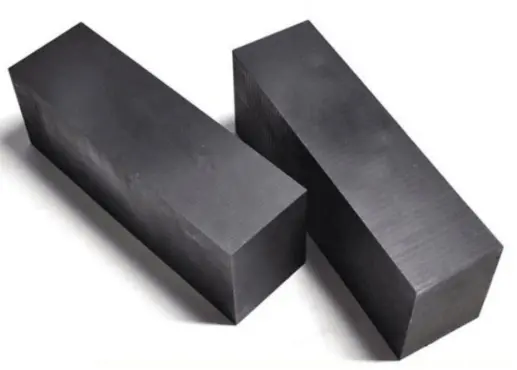
In many cases, companies are looking to purify natural graphite to save money. However, synthetic graphite still rules the high-end market. For energy storage, the electrochemical performance of the graphite anode is everything. Quality graphite means fewer headaches down the road. If you are a procurement manager, you know that buying cheap usually means buying twice. You need materials that offer exceptional reliability.
How Does the Purification Process Impact the Electrochemical Performance of a Battery?
The purification process is not just a fancy extra step. It is the core of making a good battery. When raw carbon comes out of the ground or the factory, it is full of junk. Things like iron, sulfur, and other metals are stuck inside. If you do not remove them, they mess up the electrochemical reactions inside the cell. To get higher purity, companies use intense heat and chemicals to strip away the bad stuff.
A good chemical purification step removes these trace metals. This gives you purity levels that reach 99.9% or higher. When you achieve this exceptional purity, the battery works smoothly. There is less energy consumption wasted as heat. The lithium ions can move freely in and out of the carbon atoms.
"In the world of advanced energy, purity is not a luxury. It is a strict requirement for safety and performance."
We must also think about the environmental impact. Older methods to purify carbon used nasty acids. Today, advanced purification methods are much greener. They use less harsh chemicals and recycle water. This means we get amazing high-purity graphite without ruining the planet. A cleaner process means a cleaner anode, which translates directly to a much better lithium-ion battery.
What Are the Key Material Properties of High-Purity Graphite for High-Temperature Uses?
When things get hot, most materials melt, bend, or break. Not graphite. It actually gets stronger as it gets hotter! This is one of the coolest material properties of carbon. At high temperatures, graphite remains stable. It does not warp. This makes it perfect for heavy industrial applications.
Let’s look at thermal stability. If you run a steel mill, you deal with elevated temperatures all day. You need tools that survive 3000°C without a problem. A material with good thermal conductivity spreads the heat evenly. It prevents hot spots that cause cracks. Also, a high density means the material is packed tight. It resists breaking under pressure.
- Thermal Stability: Won’t melt or warp easily.
- High Density: Resists cracking and wear.
- Low Oxidation: Lasts longer in harsh air.
- Conductive Nature: Carries heat and electricity well.
Even when faced with extreme heat, high-temperature graphite components keep their shape. They handle oxidation better than cheaper options. When you use high-purity synthetic graphite, you get a product that performs exactly the same way every single time. Predictability is exactly what a busy factory manager needs to sleep well at night.
How Do Advanced Purification Technologies Revolutionize Graphite Production?
Making raw carbon into a high-tech tool is a long journey. The formation of graphite starts with basic stuff like petroleum coke. But to make it great, you need serious science. Purification technologies have jumped forward in the last ten years. We now use extreme heat inside massive furnaces to cook the impurities right out of the raw material.
This modern graphite production method ensures total uniformity. Every single batch is the same. When you buy High purity 99.9% graphite powder, you know exactly what you are getting. The old ways were hit or miss. Now, computers control the heat and the gas flow. This gives us high-purity materials that simply were not possible twenty years ago.
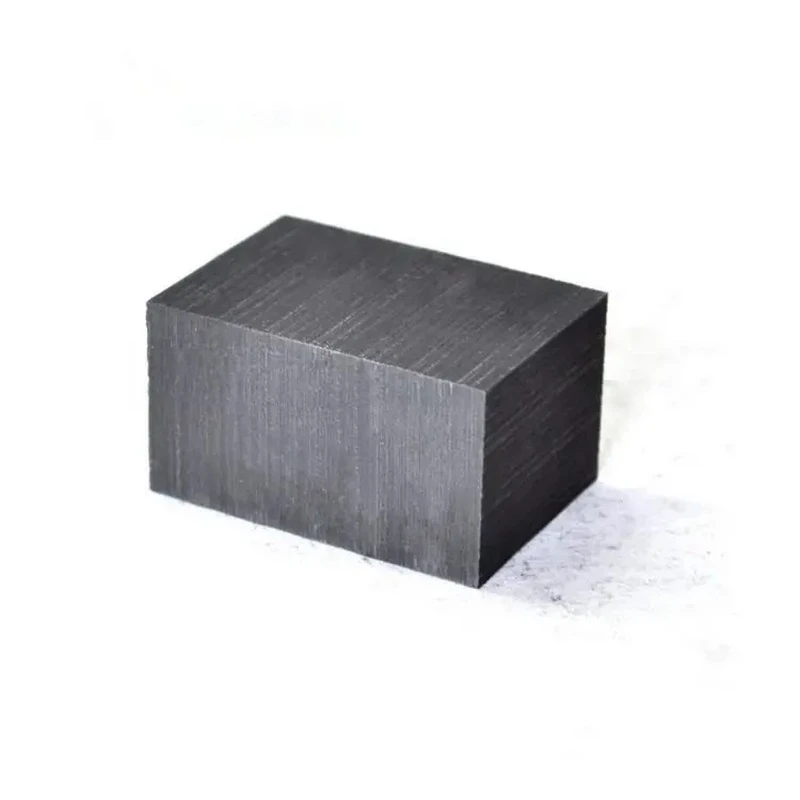
The purification happens inside a giant furnace. The heat is cranked up to vaporize any stray metals. This creates a deeply crystalline structure. The more crystalline it is, the better it conducts energy. These upgrades in the factory directly help the buyer. You get a product that lowers your own energy consumption and boosts your output.
Why is Thermal Conductivity Crucial When Choosing the Right Graphite for Semiconductor Manufacturing?
The semiconductor industry is booming. From cars to laptops, we need microchips for everything. Making these chips requires incredibly precise tools. This is where semiconductor manufacturing relies heavily on carbon. During chip making, machines get extremely hot. If that heat is not managed, the expensive silicon wafers will be ruined.
Thermal conductivity is the hero here. It pulls heat away from the sensitive silicon. Choosing the right graphite means picking a grade that handles this heat perfectly. In these clean rooms, you cannot afford any dust or gas escaping. So, the material must have very low impurity levels.
| Feature | Why it Matters in Semiconductors |
|---|---|
| High Thermal Conductivity | Pulls heat away fast, protecting the silicon chip. |
| Low Impurities | Prevents chemical contamination in the clean room. |
| Structural Uniformity | Ensures the parts do not warp under stress. |
In this strict environment, graphite serves as the ultimate shield and guide. If the graphite fails, the whole chip batch fails. That costs millions. Therefore, buyers insist on top-tier high purity options to protect their investments.
How Does the Chemical Composition of Synthetic Graphite Differ from Natural Graphite?
People often ask about the difference between natural and man-made carbon. Let’s break it down. Natural graphite deposits are mined from the earth. They come as natural flake graphite or amorphous chunks. Because it is dug from the ground, the chemical composition varies. You might find dirt, sulfur, or iron mixed in.
On the other hand, synthetic graphite is made in a lab or a factory. We start with a clean raw material and bake it. This means we control the chemical composition from day one. There are no surprises.
- Natural graphite: Cheaper, but requires heavy purification to be useful in high tech.
- Synthetic graphite: More expensive, but offers perfect purity materials right out of the gate.
For things like pencil lead or brake pads, natural works fine. But for a lithium-ion battery or a semiconductor, you want synthetic. The man-made version has a better graphite structure. The carbon atoms align perfectly. This makes the physical properties much stronger and much more predictable.
Why Are Specialized Applications Using Graphite Powder Demanding Higher Purity Levels?
Graphite powder is not just black dust. It is a highly engineered product. Today, specialized applications need this powder to be perfect. For example, some companies mix this powder into plastics to make them conduct electricity. If the powder has dirt in it, the plastic won’t work right.
Using graphite in 3D printing or high-end lubricants requires serious quality control. Buyers look for graphite powder with exact specifications. They care about the particle size distribution. If the pieces are too big or too small, the mix fails.
Key benefits of using high-end powder include better friction control and super-fast electrical flow. When you buy for these specific applications, you must demand higher purity. It is the only way to make sure your final product is safe and effective. Whether it is for a specialized coating or a conductive glue, the powder must be flawless.
How Does Isotropic Graphite Maintain Electrical and Thermal Conductivity Under Stress?
Most carbon materials are directional. They conduct heat well in one direction, but poorly in another. This can be a huge problem in complex machines. Enter isotropic graphite. "Isotropic" means it behaves exactly the same way in every single direction. No matter how you cut it or turn it, the electrical and thermal conductivity remains exactly the same.
This happens because the raw material is pressed from all sides equally during production. The resulting isotropic graphite is incredibly dense and strong. When a part is under massive physical stress, an isotropic block will not crack as easily as standard carbon.
This makes it the go-to choice for highly stressful electrical applications. Think about giant aerospace parts or nuclear reactor components. In these fields, failure is not an option. Having a material that acts perfectly predictable under stress saves lives and millions of dollars. It is a prime example of how amazing physical properties drive modern engineering.
What Role Do Graphite Electrodes and Crucibles Play in Industrial Operations?
If you want to melt scrap steel, you need a massive spark. You need an electric arc furnace. And to make that spark, you need a massive electrode. Graphite electrodes carry thousands of amps of electricity into a furnace to melt metal. They are the backbone of recycling steel.
Because they face brutal conditions, you cannot use just any rod. A premium Ultra-high power graphite electrode provides low resistance. It doesn’t snap when heavy metal falls against it. This durability cuts down on delays. When your furnace stops, you lose money every minute.
Meanwhile, in foundries, workers use High temperature resistant graphite crucible for melting precious metals. Graphite crucibles hold liquid gold, silver, or aluminum without melting themselves. They resist chemical attacks from the liquid metal. These industrial applications show how versatile carbon is. From giant various applications in steel mills to fine jewelry casting, these robust tools keep the modern world building and growing.
How Does Particle Size Influence the Efficiency of a High Purity Lithium-Ion Battery Anode?
Let’s look back at batteries. The performance of a battery heavily depends on the particle size of the carbon inside it. If the graphite particles are too large, the lithium ions take too long to travel inside them. The battery charges very slowly. If the particles are too tiny, they clump together and block the flow.
Engineers work hard to perfect the particle size distribution. They want a smooth, even mix. Often, they shape the bits into spherical graphite. Round shapes pack together nicely, leaving just enough room for the liquid electrolyte to flow.
Sometimes, they finish the job by coating with amorphous carbon. This smooths out any rough edges on the particles. Amorphous carbon is not perfectly structured, but it acts like a protective shell. It stops the battery fluid from eating away at the core graphite material. This clever trick adds years of life to the lithium-ion system. When you nail the size and shape, the energy storage capacity hits the roof!
Summary: The Bottom Line on Carbon Excellence
To keep your factory or tech project running at full speed, you cannot ignore the science of carbon. Let’s review the main points you need to remember:
- Purity is Power: Using high purity graphite prevents chemical interference, ensuring that batteries and semiconductors work flawlessly.
- Heat is No Problem: Because graphite remains stable under extreme heat, it is the safest choice for any heavy industrial applications like steel melting.
- Synthetic Wins for Tech: While natural graphite is cheaper, synthetic graphite offers the strict control needed for advanced energy storage and smart devices.
- Shape Matters: From the giant size of an electrode to the tiny spherical graphite inside a battery, matching the shape and particle size to the job is critical for success.
- Don’t Skimp on Quality: Investing in high-purity materials upfront prevents costly downtime, breakages, and safety hazards in the long run.
Understanding these concepts gives you a massive edge. Whether you are running a giant furnace or sourcing parts for electric cars, picking the right carbon makes all the difference in the world.
Post time: 06-24-2026