
A modern steel mill is an intense, high-stakes environment where every second of downtime costs thousands of dollars. The secret to keeping the liquid metal flowing profitably lies in selecting the ultimate consumable for your furnace. This article explores why everything from an ultra-high power column to an RP graphite electrode relies heavily on structural density and thermal resistance. We will dive deep into the technical specifications that define a truly premium product and explain how proper material selection drives the world’s most demanding industrial applications to new heights of profitability.
What Defines the Electrical Conductivity of a Premium Graphite Electrode in Modern Steelmaking?
When you step onto the noisy, vibrating floor of an eaf steelmaking plant, the raw energy is absolutely undeniable. You are watching electricity physically transform cold, rigid scrap into a glowing, liquid river. But how does that massive electrical current actually reach the metal? It travels straight through massive columns of graphite. These tools act as the ultimate conductor in the metallurgical process, bridging the gap between the power source and the raw material.
A high-quality graphite product must push raw power with zero hesitation. Graphite electrodes are designed with one primary, non-negotiable goal: to deliver a stable, aggressive electric arc. If the material resists the flow of electricity due to poor manufacturing or high impurity levels, it generates unwanted internal heat. This causes the column to oxidize rapidly from the inside out, snap at the joints, and forcefully halt your entire melting operation. Low electrical resistance is an absolute necessity for survival in this environment.
When the power flows smoothly without bottlenecking, you use less energy to complete the heat. You establish a faster melt, you actively protect your expensive transformer from feedback, and you ultimately drive down the operational cost per ton of your final product. For procurement directors analyzing their monthly KPIs, securing a tool with flawless conductivity is the easiest way to immediately boost the plant’s bottom line.
How Does Density Impact the Carbon Performance in an Electric Arc Environment?
You might assume that all heavy black cylinders look exactly the same, but the crucial truth is hidden deep under the microscope. The bulk density of the carbon material completely dictates its survival rate inside a roaring 3000°C furnace. If the internal structure is porous and full of microscopic air pockets, the harsh, oxygen-rich environment will literally eat the tool alive.
When we are manufacturing carbon products, we use a sophisticated high-pressure impregnation process to fight this rapid decay. We take the baked cylinder, submerge it entirely in liquid pitch, and use massive mechanical pressure to force that pitch into every single microscopic pore. This creates an extremely high structural density. When a product is incredibly dense, it becomes much less prone to side oxidation. Oxygen simply cannot penetrate the hardened surface to burn the tool away from the inside.
Furthermore, high density directly boosts mechanical strength. During a violent scrap cave-in, heavy steel bundles collapse violently against the column. A weak, highly porous tool will snap immediately under the pressure. Conversely, a highly dense, structurally sound tool will easily take the hit, maintain the electric arc, and keep the production line moving without skipping a beat.
Why is Good Electrical Conductivity Essential for Your Arc Furnace Efficiency?
Efficiency is the only metric that truly matters to a veteran melt shop manager. If you are wasting power, you are literally burning money. Good electrical conductivity is the very heartbeat of arc furnace productivity and profitability. When the current flows freely and smoothly through the entire length of the column, the arc at the tip remains fierce, focused, and stable.
If you make the mistake of buying a cheap tool with poor conductivity, it acts exactly like a giant resistor. It aggressively fights the power electric arc. This fatal flaw causes the entire column to glow red-hot all the way up to the water-cooled copper holder. That wasted heat physically burns away your expensive consumable. Instead of efficiently melting the scrap, you are just burning up your own tools and wasting megawatts of power.
A highly conductive tool perfectly channels the energy exactly where it belongs: straight down to the tip. This incredible precision ensures that the maximum amount of energy goes straight into the liquid metal bath. It is a very simple equation: better conductivity equals significantly shorter tap-to-tap times and massively improved overall efficiency for the entire plant.
What Differentiates a UHP Grade Graphite Tool from an RP Graphite Electrode?
Navigating the different grades and specifications can be confusing, but picking the wrong one is a very expensive mistake. The industrial market offers ultra-high power (UHP), high power (HP), and regular power electric options. The major difference lies heavily in the raw materials, specifically the strategic use of premium, imported needle coke.
A uhp grade graphite tool is made almost entirely from this specialized needle coke. This unique, highly aligned material allows the massive column to carry massive current density without shattering violently from thermal shock. It is the undisputed king of the modern, large-capacity electric arc furnace. On the other hand, an rp graphite electrode uses standard petroleum coke. It is highly effective and perfect for smaller foundry operations that do not push extreme power levels.
- UHP: Engineered for heavy-duty furnaces pushing over 25 A/cm².
- HP: Perfect for medium-duty smelting and ladle refining stations.
- RP: Designed for standard casting, smaller foundries, and lower-stress environments.
Using power graphite electrodes that perfectly match your specific transformer capacity ensures you aren’t overpaying for a massive specification you don’t actually need, or worse, snapping a critically weak tool under a massive electrical load.
How Does High Thermal Conductivity Protect the Carbon Electrode During a Melt?
Imagine pulling a cold ceramic plate out of the freezer and immediately dropping it onto a hot stove. It shatters instantly. In the engineering world, that is called thermal shock. Now imagine lowering a room-temperature carbon electrode into a violently boiling steel bath. The sudden temperature difference is absolutely staggering.
This extreme reality is exactly why high thermal conductivity is completely non-negotiable for serious steelmakers. The material must possess the innate ability to distribute that sudden, extreme heat quickly and evenly throughout its entire physical body. If the massive heat stays trapped solely at the tip, the internal stress will literally rip the massive column apart. You will hear a loud crack across the shop floor, and a huge chunk of graphite will tragically fall into your molten bath.
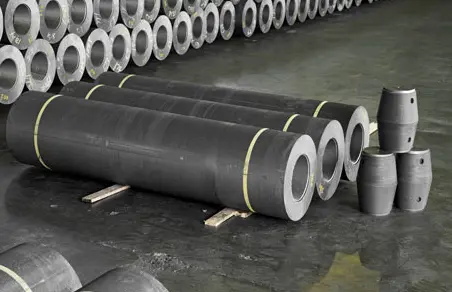
Excellent resistance to thermal shock keeps the vital column completely intact. It allows the heavy tool to easily survive the brutal heating and rapid cooling cycles that happen every single day in the plant. When the thermal energy spreads evenly, the tool remains physically stable, ensuring a safe, predictable, and continuous operation.
Can Proper Diameter Selection Improve High Conductivity in Industrial Applications?
Size matters tremendously in heavy industrial applications. You simply cannot force a massive river of electricity through a tiny garden hose without causing an explosion. Selecting the exact right diameter for your furnace is a critical engineering decision that directly impacts high conductivity and the overall performance of your melt shop.
If the diameter is far too small for the aggressive current you are pushing, the column will overheat, oxidize rapidly, and fail completely. If it is too large, you are simply wasting your budget on excess material that your furnace does not actually need to operate efficiently. EAF operators must carefully and mathematically match their transformer rating to the physical size of the column.
We proudly offer a vast, comprehensive range of Ultra-high power graphite electrode sizes to ensure the absolute perfect fit for your specific operation. Whether you demand a massive 700mm column for a modern mega-furnace or a much smaller 300mm option for a specialized foundry, getting the specific sizing right is the easiest way to instantly guarantee a long, highly stable lifespan for your tools.
How Do Manufacturers Make Graphite with High Density and Superior Purity?
You might frequently wonder how we actually make graphite that can easily survive these hellish, high-temperature conditions. The complex process of manufacturing carbon is incredibly demanding. It starts meticulously by mixing raw, premium coke with a high-quality coal-tar binder. This thick, heavy paste is then forcefully extruded under massive mechanical pressure into the shape of a large cylinder.
But the physical extrusion is just the beginning of the journey. The real, undeniable magic happens during the intense graphitization process. We carefully place the baked cylinders into a massive oven and heat them to well over 3000°C for weeks at a time. This extreme, high-temperature roasting aggressively burns away all the hidden impurities. It forcefully forces the chaotic carbon atoms to align perfectly into a highly conductive, brilliant crystalline structure.
At Handan Tuoda carbon co, we monitor this exact process obsessively. This incredibly strict quality control guarantees the absolute purity of the final product. High-quality graphite features an incredibly low ash content, meaning it will never accidentally introduce unwanted chemical impurities into your carefully balanced, highly sensitive steel chemistry.
Beyond the Furnace: Are These Tools Used in Electrolysis and Fuel Cells?
While global steel production gets all the glory, the unique properties of these advanced tools make them absolutely vital for other cutting-edge technologies. Because they are highly resistant to severe chemical corrosion, graphite electrodes are also the undisputed backbone of modern chemical engineering.
They are heavily and critically utilized in advanced electrolysis plants to reliably produce essential chemicals like chlorine and caustic soda. In the rapidly expanding green energy sector, advanced variations of this dense material are currently being explored for critical use in high-tech fuel cells and advanced battery arrays. The proven ability to conduct electricity perfectly while fiercely resisting harsh chemical attacks makes them totally irreplaceable.
Furthermore, graphite electrodes are widely used in submerged arc operations. If you are actively smelting silicon metal or carefully refining yellow phosphorus, you rely heavily on these exact same massive carbon columns. The crucial industrial applications stretch far beyond just melting old cars into new, shiny steel beams.
Why is UHP Critical for Heavy Industry and Advanced Metallurgy?
The modern global industry demands significantly faster production times and much higher efficiency rates. Time is money, and heavy metallurgy is a brutal, highly competitive, clock-driven business. UHP columns are frankly the only tools capable of keeping up with the relentless, punishing pace of modern steel production.
When you are desperately turning 150 tons of scrap steel into liquid metal in under 40 minutes, you desperately need equipment that can easily handle extreme abuse. UHP columns can effortlessly carry the extremely higher currents required for this highly aggressive melting strategy. They blast violently through the scrap, rapidly establishing a fierce, stable arc that melts absolutely everything in its path instantly.
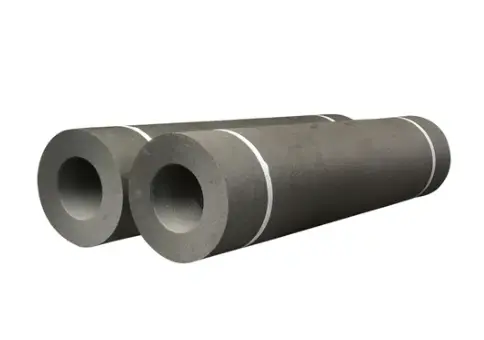
Once the aggressive primary melt is finally done, these exact same high-grade tools are often used to gently refine the metal in a secondary ladle furnace. They carefully fine-tune the exact temperature and the precise chemistry of the steel before it officially goes to the caster. UHP is definitively not just a fancy marketing label; it is the highly critical engine driving global steel productivity to new heights.
How Can Choosing the Right Conductive Material Save Your Steelmaking Budget?
Every single purchasing director loves a remarkably low price tag. But in this unforgiving industry, buying cheap tools is undeniably the absolute fastest way to lose serious money. You have to intelligently look at the total, comprehensive cost of ownership. What is your actual, realized cost per ton of liquid steel?
If you mistakenly buy a cheap product that tragically breaks twice a week, you forcefully have to shut down the furnace to fish the broken pieces out of the boiling bath. That unnecessary downtime costs tens of thousands of dollars. Graphite electrodes are made to be a highly reliable conductive material for electric arc operations. When you intelligently source your vital equipment from a professional, proven supplier, you completely minimize your operational risk entirely.
By strategically investing in high density, highly conductive tools, you practically ensure a totally smooth, highly predictable operation. You effortlessly use less power, you proudly suffer zero breakages, and your consumable consumption drops drastically. A truly sustainable and efficient production methods system relies fully on getting the foundational basics absolutely right.
The Bottom Line for Furnace Operators
- Always Match the Grade: Using an RP tool in an ultra-high power environment guarantees a catastrophic failure. Always perfectly match the tool to your specific transformer’s output.
- Density is Durability: Demand high-pressure impregnated tools. They fiercely resist oxidation, last significantly longer, and greatly reduce your overall consumption rates.
- Check the Threads: A flawless nipple joint is essential. Poor, sloppy machining leads to loose connections, massive electrical resistance, and dangerously dropped columns.
- Value Over Price: Do not just look blindly at the initial invoice. Carefully calculate your total cost per ton. A premium tool that consistently lasts longer and burns hotter is always the cheaper option in the long run.
- Thermal Shock Resistance: Ensure your supplier explicitly uses high-quality needle coke to prevent the column from violently shattering when initially hitting the molten bath.
Graphite electrodes are designed to take an incredible beating, but they play a crucial role that simply cannot be overlooked. Treat your critical procurement strictly as a vital engineering decision, and watch your plant’s overall profitability consistently soar. True sustainability in this tough business strictly means running incredibly smart, running highly efficient, and running completely without expensive, preventable interruptions.
Post time: 04-01-2026