
In the bustling world of industrial metallurgy, every percentage point of purity counts. As a factory owner here in China with seven production lines dedicated to graphite products, I have seen firsthand how the right raw materials can transform a production line. My name is Allen, and for years I have worked with international buyers—like my good friend Mark Thompson in the USA—who navigate the complex market of carbon additives.
Whether you run a foundry, a steel mill, or a procurement department, you know that consistency is king. Today, we are going to dive deep into a material that is often the unsung hero of high-quality metal production: Graphitized Petroleum Coke (GPC). This isn’t just black dust; it is a highly engineered carbon raiser that determines the strength and quality of your final product. In this guide, we will explore what GPC is, how graphitization changes everything, and why it is the superior choice for steelmaking and casting.
What Exactly is Graphitized Petroleum Coke (GPC) and How is it Different?
Graphitized petroleum coke, commonly referred to as GPC, is a premium carbon material produced for the metallurgical industry. At its core, it serves as a carburizing agent or carbon raiser. This means it is added to molten metal to precisely increase the carbon content. But GPC is not your average coal. It represents the highest tier of carbon additives.
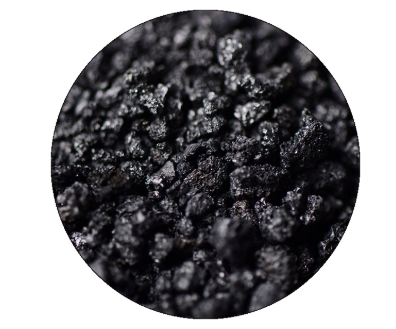
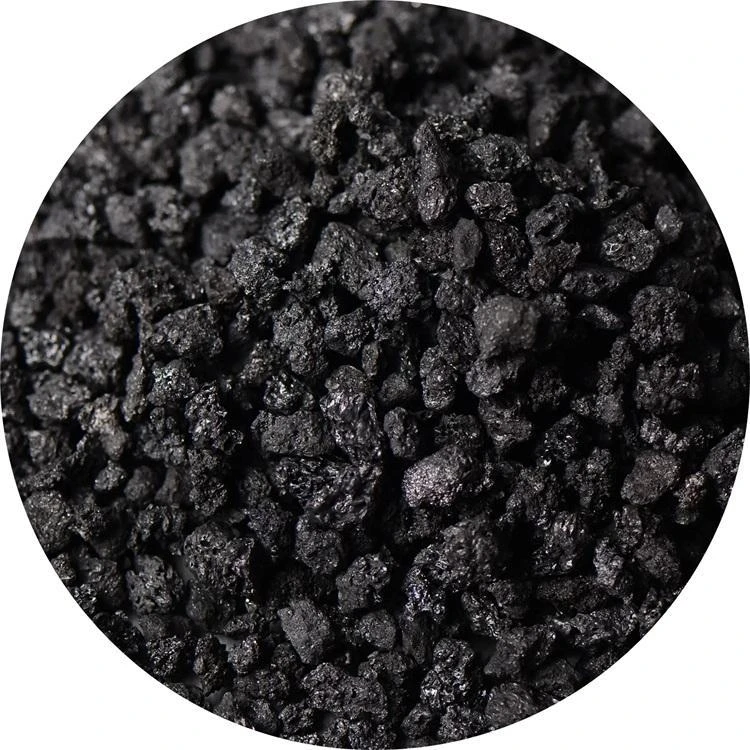
Petroleum coke gpc is made from high-quality green petroleum coke, which is a byproduct of the oil refining process. However, the raw "green" coke is full of impurities like sulfur, moisture, and volatile matter. To become GPC, it must undergo a rigorous thermal treatment. The resulting product is a material with incredibly high fixed carbon content, low sulfur, low nitrogen, and low ash content. It is porous, shiny, and structurally superior to other forms of carbon. When you hold graphite petroleum coke in your hand, you are holding a material that has been pushed to its physical limits to ensure purity.
How Does the Graphitization Process Transform Petroleum Coke?
The magic of GPC lies in the graphitization process. This is where science meets extreme heat. We take the green petroleum coke or calcined petroleum coke and place it into a massive graphitization furnace.
Here, the material is produced by heating it to a high temperature—specifically, temperatures ranging between 2500°C and 3000°C. At this intense heat, the carbon atoms undergo a physical change. They rearrange themselves from a messy, disordered state into a neat, layered crystalline structure. This alignment is what turns ordinary carbon into graphite. This process does two vital things:
- It vaporizes almost all impurities (like sulfur and nitrogen).
- It creates a true graphitic structure, which drastically improves electrical conductivity and thermal conductivity.
This is why graphitized petroleum coke gpc is distinct from simple calcine coke. The graphitization makes it cleaner, more stable, and much more effective for high-quality applications.
What Are the Key Chemical Properties of High-Quality GPC?
When buyers like Mark look for GPC, they are usually looking at a spec sheet. A high-quality graphite petroleum coke gpc typically boasts impressive numbers. The most important figure is the carbon content. Top-tier GPC will have a high fixed carbon level, usually greater than 98.5% or even 99%.
Another critical property is low sulfur content. In GPC, sulfur is often as low as 0.03% to 0.05%. This is vastly superior to coal-based additives, which can have ten times that amount. Furthermore, the nitrogen content is extremely low, often below 300ppm. This combination of high carbon content and low impurity levels makes GPC the gold standard. It allows steelmakers to hit exact chemical targets without introducing unwanted contaminants that could weaken the metal.
GPC vs. CPC: Why Choose Graphitized Over Calcined Petroleum Coke?
A common question I get is: "Allen, why should I pay more for GPC when calcined petroleum coke (CPC) exists?" It is a fair question. Calcined petroleum coke is also made from high quality petroleum coke, but it is heat-treated at a lower temperature (around 1300°C).
The difference is in the performance. Because CPC is not fully graphitized, it still holds higher levels of sulfur and nitrogen. Its electrical conductivity is lower, and its absorption rate in molten iron is slower. GPC, having undergone full graphitization, dissolves faster and cleaner.
- CPC: Good for general purpose aluminum industry anodes or lower-grade steel.
- GPC: Essential for ductile iron, high-quality steel, and precision casting.
If you are making brake pads or critical engine parts, the extra cost of graphitized petroleum coke pays for itself by reducing scrap rates and defects.
Why is GPC the Preferred Carburizing Agent in Steelmaking?
In the steel industry, GPC is used extensively as a carbon additive. During the smelting process, specifically in an electric arc furnace or a ladle furnace, the carbon levels can fluctuate. GPC is added to the steelmaking process to correct this.
It plays a crucial role in determining the steel’s hardness and strength. Because GPC has high fixed carbon content and low sulfur, it enters the melt quickly (high absorption rate) without bringing in "garbage" elements. This makes it a highly efficient recarburizer. It helps control the carbon content with precision, which is vital when producing specialized alloy steels where the chemistry must be perfect. Using a cheaper, high-sulfur carburizer might save pennies upfront but can ruin an entire batch of steel worth thousands of dollars.
How Does GPC Benefit the Foundry and Precision Casting Industry?
The foundry industry, particularly those making cast iron, relies heavily on graphitized petroleum coke. When producing ductile iron (nodular iron), the presence of sulfur and nitrogen can interfere with the nodulizing process.
GPC is the perfect carburizer here. Its low sulfur and low nitrogen prevent defects like gas porosity and shrinkage cavities. Furthermore, the graphitic nature of GPC acts as an inoculant. It encourages the formation of graphite nuclei in the iron, which improves the microstructure of the casting. This leads to better machinability and mechanical properties in the final part. Whether it is precision casting for aerospace or heavy-duty engine blocks, GPC ensures the metal flows right and sets strong.
What Role Does GPC Play in the Production of Graphite Electrodes?
Interestingly, petroleum coke gpc is related to the production of graphite electrodes. While UHP (Ultra High Power) electrodes use needle coke, GPC fines and grains are often used in the mix for various carbon products or as bedding material during the baking process.
More importantly, GPC shares the same lineage as the graphite electrodes used in electric arc furnaces. They both start as petroleum coke and undergo graphitization. The excellent electrical conductivity found in GPC is the same property that allows Ultra high power graphite electrode specific calcined needle coke blocks to conduct massive currents to melt scrap steel. Understanding GPC helps you understand the entire carbon ecosystem used in high-temperature metallurgy.
How Do You Identify a High-Quality Graphitized Petroleum Coke Carburizer?
If you are standing on a factory floor looking at a bag of carbon raiser, how do you know if it is good?
- Look at it: High-quality GPC is porous but looks greasy or shiny. It should leave a distinct black mark on paper, much like a pencil (which is graphite).
- Absorption Speed: When thrown into the furnace, it should dissolve relatively quickly.
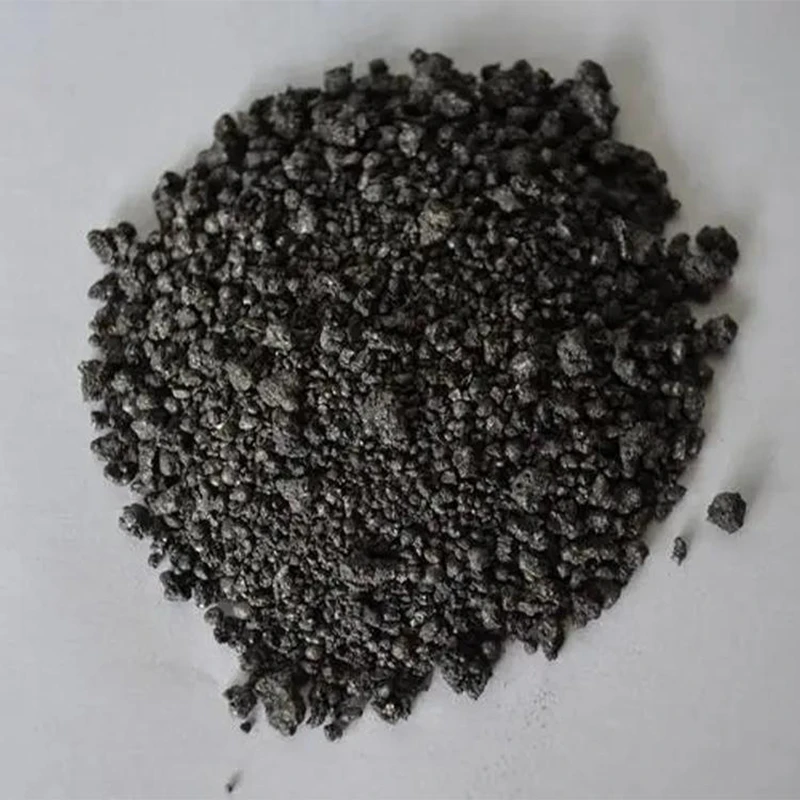
- Particle Size: Consistency matters. Whether you need 1-5mm or 0.2-2mm, the particle size should be uniform to ensure even melting.
- Chemical Analysis: Ultimately, the lab report is key. Check for high carbon (>98.5%) and low sulfur (<0.05%).
Using a consistent graphitized petroleum coke carburizer ensures your smelt times are predictable and your chemical analysis hits the mark every time.
Why are Low Sulfur and Nitrogen Levels Critical for Metallurgical Applications?
I mention sulfur and nitrogen often because they are the enemies of high-quality steel and iron.
- Nitrogen: High nitrogen causes microscopic holes (porosity) in castings. It can also make the steel brittle and prone to aging cracks.
- Sulfur: While a tiny bit of sulfur can be helpful in grey iron, too much destroys the ductility of the metal.
GPC is widely used because it naturally has low sulfur content and virtually no nitrogen thanks to the high-temperature graphitization. Other materials, like calcined anthracite coal, might have high carbon, but they also carry high ash and impurities. For alloy production and high-quality auto parts, GPC is the only suitable for applications where failure is not an option.
How to Select Reliable Manufacturers and Suppliers for GPC?
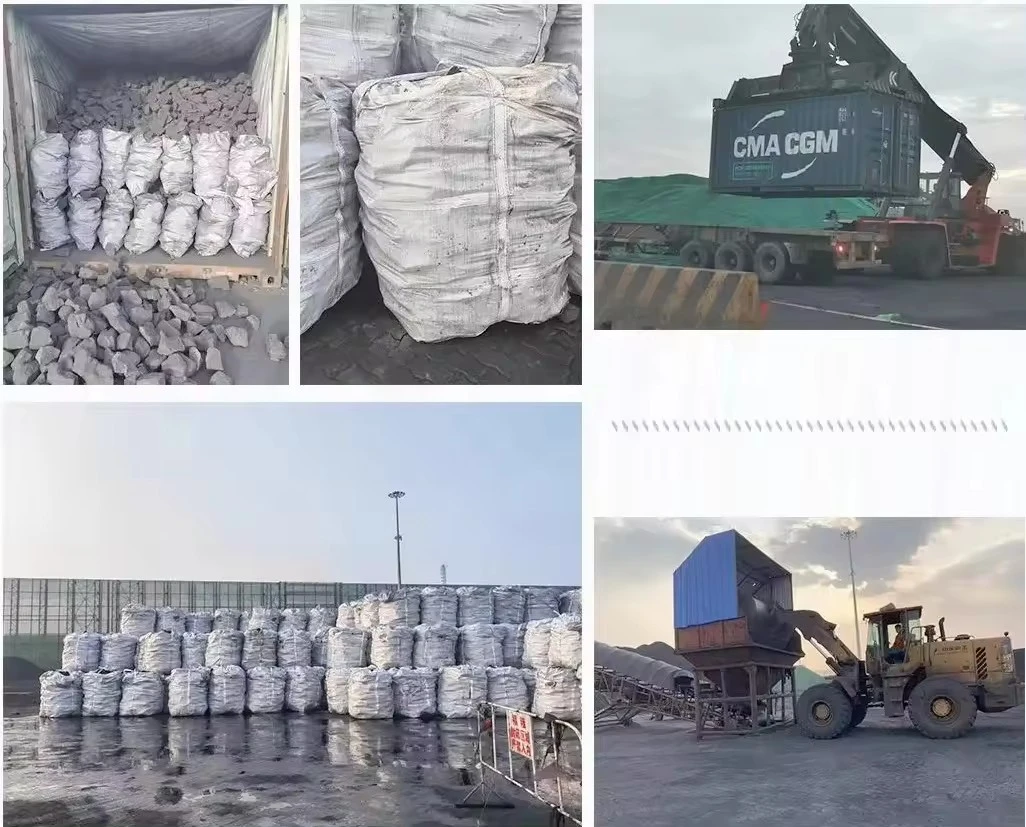
Finding the right manufacturers and suppliers can be tricky. As someone who operates 7 production lines, I know that supply chain stability is vital. When looking for graphite petroleum coke, consider these factors:
- Source of Raw Material: Does the supplier use petroleum coke as raw material from reliable refineries?
- Production Capacity: Can they scale with you? You don’t want your carbon additive supply to run dry when you have a big order.
- Quality Control: Do they test every batch for carbon structure, ash, and moisture?
- Direct Manufacturer: Buying from a factory (like ours) usually ensures better pricing and accountability than buying from a trading house.
For specific needs, such as High carbon coal tar asphalt or specialized Customized high carbon calcined smokeless coal, working with a versatile supplier is a huge advantage.
Conclusion: The Future of Carbon
Graphitized petroleum coke is more than just a commodity; it is a critical tool for modern industry. From the chemical industry to the foundry, it allows us to create stronger, cleaner, and better metals. It helps control the carbon content with a precision that older materials cannot match.
As industries demand higher performance materials—from electric vehicle parts to aerospace components—the demand for high-quality GPC will only grow. By choosing the right graphitized petroleum coke gpc, you are investing in the quality of your final product.
Key Takeaways:
- What is GPC? A high-purity carbon raiser made by heating petroleum coke to >2500°C.
- Why use it? It offers high fixed carbon, low sulfur, and low nitrogen.
- Where is it used? Primarily in steelmaking, foundry casting, and brake pad manufacturing.
- The Benefit: It improves the metallurgical quality of steel and iron, reducing defects.
- Selection: Always look for consistent particle size and verify chemical specs with your supplier.
Whether you are looking for High purity 99.9% graphite powder or bulk GPC, ensuring you have a partner who understands the science of carbon is the first step toward production success.
Post time: 12-16-2025