
Welcome to the real world of heavy industry. When you walk into an industrial plant, the noise hits you first. It sounds like a roaring jet engine. That deafening sound comes from the electric arc furnace. At the center of this storm is a vital tool. You simply cannot do steel making without it. This article explains the role of graphite electrodes in keeping your shop profitable. It is highly worth reading because knowing how to manage this critical consumable will save you thousands of dollars a day. A broken rod stops production dead. We will show you exactly how to keep the fire burning and your foundry producing.
For procurement directors and facility managers, the daily challenge is avoiding downtime. Every minute of silence on the shop floor means lost revenue. That is why understanding the core components of your smelting workflow is the best investment you can make. We will explore the physics, the mechanics, and the economics of these massive black cylinders.
What is the Fundamental Role of the Graphite Electrode in the Electric Arc Furnace?
Graphite electrodes represent the beating heart of any modern mill. In simple terms, this tool is a massive cylindrical rod made of synthetic carbon. Its main job is to conduct electricity from the power source down into the scrap.
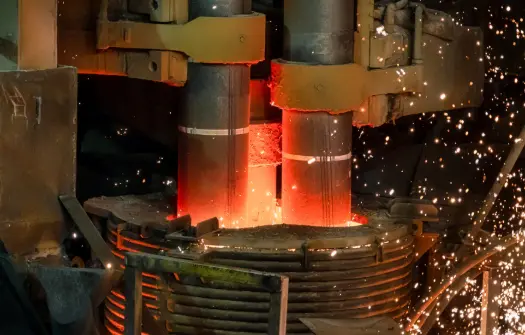
Without this solid material, the electric arc furnace would just be a cold, empty pot. When power flows through the column, it jumps across the gap. This jump forms the plasma flash. They carry insane amounts of power safely, bridging the gap between the cables and the payload below.
Many industrial applications rely on this exact technology. From foundries to massive auto-body manufacturing bases, graphite electrodes are used everywhere. They are the only material tough enough to handle the job without breaking instantly under the extreme physical stress. When you see a large diameter column suspended in the air, you are looking at an engineering marvel designed for one specific, brutal task.
How Does the Operation Actually Turn Scrap Metal Into Steel?
Let us break down the daily workflow. First, huge cranes drop tons of steel scrap into the belly of the vessel. The heavy roof swings shut. Then, the giant black columns lower down toward the jagged payload.
As the tips get close to the scrap metal, operators turn on the power. The energy leaps from the tip to the payload. This leap helps create an electric arc. The flash acts like lightning trapped in a box. It starts to melt steel almost instantly, turning rusted junk into valuable resource.
To generate the intense heat needed to melt the metal, the system pushes thousands of amps. The thermal level soars way past the melting point of iron. Soon, the solid chunks turn into a glowing, bubbling soup. The sheer volume of energy transferred during this phase is staggering, often equivalent to the power consumption of a small city.
Why is the Electrical Property and Thermal Strength Critical?
You might wonder why we use this specific element instead of copper or iron conductors. The answer lies in its unique composition. The material has a low electrical resistance. This means it lets power flow freely without losing energy along the way.
At the same time, it has the conductivity and ability to withstand hellish conditions. While the tip touches high temperatures over 3000°C, the tool itself does not liquefy. It slowly oxidizes, but it holds its shape against the intense heat. No other commonly available substance can survive this environment.
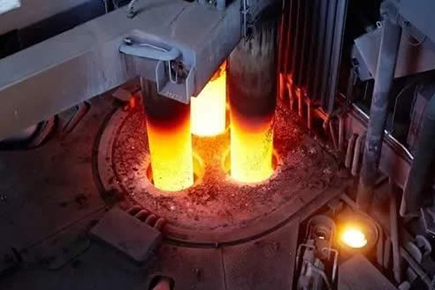
Excellent thermal conductivity allows the heat to spread out quickly across the cylinder body. If the heat stayed in one spot, the tool would shatter into pieces. Its ability to conduct current and survive extreme temperatures makes it the only choice for this demanding job. Buyers often focus on price, but these physical traits dictate actual performance.
How Do Facilities Create an Electric Flash to Liquefy the Payload Efficiently?
Running an eaf is a delicate balancing act. You want to liquefy the charge fast, but you do not want to break your equipment. To bridge the gap smoothly, the automated mast arms lower the column slowly.
When the gap is just right, the electrical current flashes across. If the gap is too big, the flash breaks. Exact control systems manage the distance. This ensures efficient melting without wasting power. The automation tracks the payload height millimeter by millimeter.
This intense energy boils the material efficiently. As the payload collapses, the arms adjust automatically. This constant adjustment keeps the plasma stable, which is key to high productivity and lower monthly utility bills. A stable plasma bridge means fewer fluctuations in the local power grid, keeping your operations fully compliant with municipal energy limits.
What Makes the UHP Grade Electrode Indispensable for Large-Scale Steelmaking?
Not all tools are built the same. If you run a massive 150-ton vessel, you need serious firepower. This is where the ultra high power or UHP grade comes in. It is truly indispensable for large-scale operations.
A UHP electrode uses premium needle coke as its raw material. This gives it high thermal conductivity and massive mechanical strength. When you push 100,000 amps through it, a cheap tool would explode. Premium materials guarantee that the physical structure remains intact under severe electromagnetic vibration.
For modern steelmaking, using the right setup is non-negotiable. Using a standard tool in a UHP environment leads to instant failure. The UHP rating means it can survive the brutal operating conditions of high-speed steel manufacturing. Sourcing genuine, top-tier products is critical. Check out this Ultra-high power graphite electrode to see the premium quality required for these massive setups.
How Does the Carbon Makeup Affect Durability and Degradation?
The secret to a long-lasting consumable lies in its chemical makeup. These materials are baked and graphitized to create a dense carbon matrix. This matrix is formed over weeks of careful thermal treatment in specialized baking ovens.
Density directly impacts durability. A dense electrode resists oxidation much better than a porous one. Inside the vessel, oxygen constantly tries to eat away the sides. We call this side degradation. If the cylinder is porous, oxygen penetrates deeply and rots it from the inside out, causing the tip to pencil and snap.
By improving the density, manufacturers minimize this wear. Less wear means lower consumption rates. When you buy a tightly packed tool, you spend less money replacing it. It just lasts longer under the fire. Smart procurement managers know that tracking the kilograms consumed per ton of alloy produced is the only true measure of value.
How Can We Lower Energy Consumption While Managing the Liquefaction?
Power is expensive. Every minute the flash is on, your electric meter spins wildly. The goal is to lower energy consumption without slowing down the plant. You do this by capturing the heat efficiently within the vessel walls.
A stable flash uses less electrical energy. When the energy bridge jumps around wildly, it wastes power and damages the refractory bricks. Good operators regulate the foamy slag practice to cover the flash. This traps the thermal energy inside the liquid bath, rather than letting it radiate into the roof.
Graphite electrodes also play a major role here. A high-quality electrode with perfectly machined threaded joints prevents power loss at the connections. When power flows smoothly, your overall production cycle becomes cheaper and much faster. Proper torque application during assembly is mandatory to achieve these savings.
Can Synthetic Carbon Sustain Extreme Environments in Submerged Arc Furnaces?
While we mostly talk about melting scrap, there are other industrial processes too. For example, submerged arc furnaces are used to make ferroalloys. These furnaces bury the tip deep into the raw ores, creating a completely different set of physical challenges.
Yes, synthetic carbon can absolutely sustain these extreme temperatures. In fact, it thrives in extreme heat. The tool stays active even while buried under tons of rock and molten alloy. The sheer pressure and abrasion of the sliding rocks would destroy weaker materials.
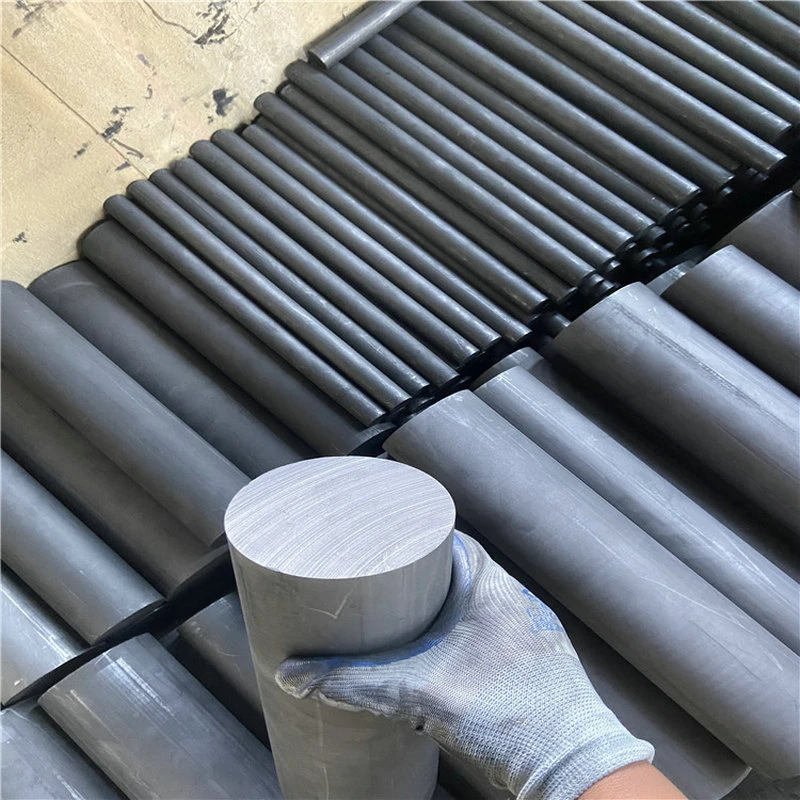
This shows how versatile the substance is. Whether the plasma is flashing in the open air or buried deep in a slag bath, the conductive nature of the graphite never fails. You can view specialized tools like the Conductive graphite rod for electrodes to understand how they are adapted for these unique physical environments.
How Do Steelmakers Ensure the Desired Chemical Parameter of the Final Product?
Liquefying the charge is only half the battle. Once the liquid is ready, it must be refined. Steelmakers transfer the hot soup into a ladle furnace. Here, they gently heat and stir it to adjust the chemistry, preparing it for casting.
They add specific alloys to hit every desired chemical target. Whether it is sulfur, carbon, or manganese, every parameter must be perfect. The vessel uses smaller electrodes to maintain the heat while the team does this delicate work to refine the liquid.
To ensure the final product meets strict quality standards, the temperature cannot drop. The graphite provides a steady, quiet plasma. This allows the operators to finish the high-quality steel perfectly before casting it into solid shapes. A quiet plasma bridge in this secondary stage prevents unwanted nitrogen pickup, ensuring a clean cast.
What Does Sustainability Mean for the Future of EAF Steel Production?
The world is changing, and sustainability is now a priority for all heavy industries. EAFs are much greener than old coal-burning blast furnaces. Because they recycle discarded alloy, eafs reduce the carbon footprint of the entire industry.
As technological advancements continue, the efficiency of these furnaces improves. Better electrodes mean less graphite burned per ton of steel. This lowers emissions and cuts down on waste, aligning with global environmental targets.
By pushing for better operating conditions, precise control systems, and stronger materials, the industry is moving forward. The future of steel is electric, and high-performance graphite will light the way. For operations needing reliable power delivery for different tasks, Regular Power Graphite Electorode options provide excellent solutions.
Key Takeaways for Smelting Managers
- Match Equipment to Power: Always match the tool grade to your transformer capacity to prevent shattering.
- Track Your Wear: Monitor your side oxidation rates to determine the true value of your consumables.
- Secure the Joints: Maintain exact torque on your threaded joints to stop power loss.
- Trap the Heat: Use foamy slag practices to trap thermal energy and lower utility bills.
- Source Smartly: Source from reliable B2B manufacturers that utilize premium needle coke ingredients.
Post time: 03-19-2026