
Every steel mill manager hates it when a giant graphite electrode snaps. A loud crack echoes through the shop. The melting stops. You lose thousands of dollars every single minute. The secret to stopping these costly breaks does not start at the furnace. It starts deep inside the raw materials.
Read on to learn exactly how high-quality carbon is made. We will explore how the right coke production saves you from downtime. You will discover the science behind producing needle coke and why it matters so much. Making smart choices about your carbon supplies is the easiest way to protect your profit margins.
What Exactly Is Needle Coke and Why Does It Matter for Your Arc Furnace?
Let’s keep things very simple. Needle coke is a super-strong, highly organized type of solid carbon. When needle coke is produced, its tiny pieces look like long, sharp needles. This needle shape is incredibly special. It lines up perfectly to carry heavy electrical currents down the rod. Think of it like a bundle of dry spaghetti noodles packed tightly together.
You might wonder why factories don’t just use regular pitch cokes. Regular coke is too messy inside. It is like a bowl of cooked macaroni. Premium needle coke has amazing thermal stability and high electrical power. It is simply the best material for graphite electrodes. If you want to melt heavy scrap fast, you absolutely need this specific coke.
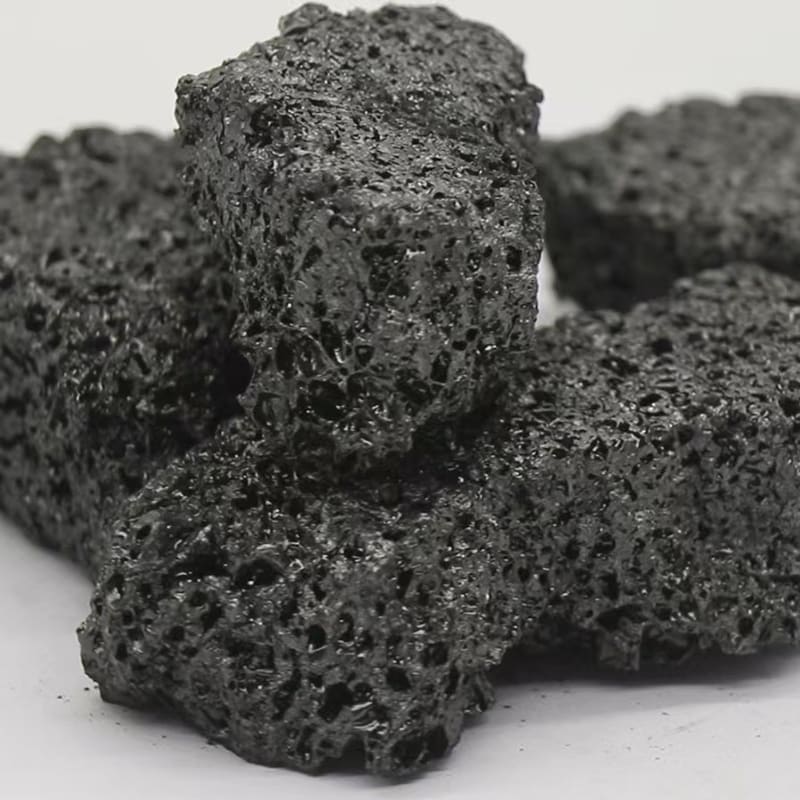
The demands of an arc furnace are wild. The heat jumps from room temperature to 3000°C in seconds. Regular carbon materials shatter under that kind of shock. But because of its long, straight shape, needle-shaped carbon handles the extreme heat without cracking. This saves your steel bath from getting ruined by broken chunks of carbon.
How Does the Delayed Coking Process Transform Petroleum Residue?
Making this tough material is like baking a very difficult cake. We start with heavy, dark liquids. We often use heavy oil or thick vacuum residue. These thick liquids go through an extreme step called the delayed coking process. This is a violent, high-heat operation. We pump the hot, bubbling liquid into a massive steel drum called a coker.
Inside the big drum, the heat breaks the oil molecules apart. This action is called thermal cracking. The coking process slowly turns the messy, sticky liquid into hard, solid carbon materials. To get it perfect, the method for producing the coke requires exact temperature control. If the heat is even a little bit wrong, the batch fails.
"If you lose control of the temperature in the drum, you lose the needle shape. It is that simple."
An analysis of petroleum shows us exactly what is inside the oil before we even start. We test the oil to see how it will behave when it gets hot. The liquid must stay hot enough to boil, but cool enough to let the crystals grow slowly. This delicate balance creates the hard rocks of carbon we need.
Materials and Methods: What Feedstock Creates the Best Anisotropic Structure?
Let’s talk about the materials and methods. The best raw material comes from very special refinery oils. For example, decant oil taken from a catalytic cracking unit is perfect. This oil is full of heavy, flat molecules. These flat molecules are called aromatic rings. They stack together neatly like dinner plates.
We must carefully avoid messy chemicals called asphaltenes. These bad chemicals ruin the clean shape of the carbon crystals. When the oil is just right, it forms an anisotropic structure. This fancy word just means all the crystals line up neatly in one single direction.
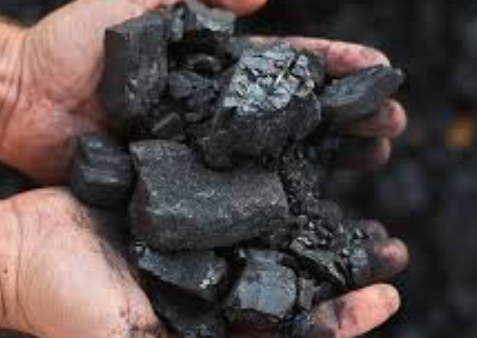
If you look at the coke microstructure using an expensive tool, you can see this magic happen. By looking through a lens with plane-polarized light during advanced microscopy, you can easily see the beautiful anisotropy. It looks like flowing, colorful ribbons. This straight, ribbon-like structure gives the rod its crazy strength.
How Do Sulfur and Nitrogen Levels Affect Coke Microstructure?
Purity is everything in this business. A great needle coke feedstock must be very clean. If the oil contains too much sulfur or nitrogen, you will face huge problems later on. During extreme heating, these hidden elements suddenly turn into expanding gas.
When the trapped gas tries to escape quickly, it puffs up the coke. This event is called "puffing." Puffing completely ruins the tight, neat structure. It leaves the carbon full of weak holes. Here is what happens when bad elements sneak in:
- High Sulfur: Causes violent gas release. Weakens the rod.
- High Nitrogen: Causes cracking within the temperature range of 1500°C to 2000°C.
- High Ash: Leaves dirty spots that melt early.
We only select clean oils that are extremely low in these bad elements. This careful choice protects the coke from cracking under pressure. A clean structure means the final tool will pass electricity smoothly without popping.
Coal-Based vs. Petroleum-Based: Which Coke Production Yields Lower CTE?
There are two main paths to get this awesome product. One path uses deep-earth petroleum. The other path uses coal. Coal-based needle coke starts its life as thick coal tar pitch. Both types are great, but they behave a little differently inside the melting pot.
The production of needle carbon focuses heavily on one critical number: cte. This stands for the coefficient of thermal expansion. A low coefficient of thermal expansion means the solid rod will not swell up or get fat when it hits the boiling steel. Both petroleum-based and coal-based methods can give a fantastic, low cte.
| Feedstock Type | Source Material | Typical CTE Value | Best Use Case |
|---|---|---|---|
| Petroleum | Decant Oil | Very Low | Ultra-high power electrodes |
| Coal | Coal tar pitch | Low | High power electrodes |
Picking the right base depends on what you need. A low cte is a huge deal for a massive furnace. It stops the threaded joints from expanding too fast and bursting the socket open.
What Happens During the Calcination and Heat Treatment of Raw Coke?
When the rocks of carbon first come out of the drum, they are raw. We call them "green" coke. Green coke still holds water and soft, oily bits inside. We cannot use it yet. We must bake it again. This vital step is called calcination.
We dump the green chunks into a huge, spinning oven called a rotary kiln. This intense heat treatment cooks out all the trapped water and gas. The calcination process shrinks the chunks and makes them incredibly dense. The fire burns away anything that isn’t pure carbon.
By the end of the spinning oven ride, we get calcined needle coke. This material is hard, pure, and ready for heavy action. If you want to see what this finished rock looks like, check out our highly pure calcined needle coke block. It is the rock-solid foundation of a great melting operation.
How Does Mesophase Pitch Influence the Crystallinity of Coke?
Let’s zoom in very closely to see the hidden chemistry. During the early heating phase, called carbonization, the hot liquid begins to change shape. Tiny liquid spheres start to form in the sludge. We call these spheres mesophase pitch. They look like tiny drops of oil floating on water.
As the heat rises, these tiny spheres bump into each other. They merge together to form bigger drops. With gentle agitation inside the drum and the perfect flow rate, these soft spheres stretch out into long strings. A chemical chain reaction called polymerization locks them into place.
This stretching gives the final product high crystallinity. The long, unbroken crystals are exactly what make the coke so incredibly tough against heat and shock. If the spheres don’t merge correctly, you get weak, messy carbon.
Why Is Calcined Needle Coke the Ultimate Material for Graphite Electrodes?
The preparation of needle coke takes days of hard work and massive amounts of energy. But the effort pays off. When the needle coke obtained is mixed with special binders and baked again, it is used in the manufacture of giant melting tools.
These huge black tools are used in an electric arc melter. The heat inside an arc furnace is wild. It turns solid iron into glowing soup in just minutes. Because of its intense strength, this premium coke is the main ingredient for an ultrahigh power (uhp) tool.
When the raw rod is finally baked at 3000°C, it becomes fully graphitized. A graphitized rod is a super-conductor. You can see this power in a premium ultra-high power graphite electrode. Its electrical conductivity is unmatched, pushing massive power without melting itself.
How Do Organic Additives and Co-Carbonization Improve Coke Quality?
Sometimes, scientists want to make the crystals even stronger. They can give the cooking process a smart boost. Using a special additive changes how the hot liquid behaves. For example, some advanced factories use tricky organic additives to help the long crystals grow even larger before they freeze solid.

Another clever trick is blending different heavy oils together. The co-carbonization of ethylene tar with a standard hydrocarbon mix can drastically improve the final batch. When you mix them, a chemical event called pyrolysis breaks them down perfectly together.
Based on the results of deep physicochemical testing in our labs, these smart oil mixes help the needle coke produced handle thermal shock much better. We even use premium binders like high carbon coal tar asphalt to glue these strong crystals together during electrode manufacture.
Can High-Quality Coke Save Your Melt Shop from Electrode Breakage?
For an electric steel maker, broken tools are a daily nightmare. When you accidentally buy tools made from cheap, messy coke, the thermal expansion goes out of control. The tool swells up, snaps at the joint, and drops into your clean steel. This disaster stops your entire day and kills your profits.
Graphite electrodes used in heavy scrap melting need to be tough as nails. Whether it is acting as an anode in a special chemical bath or melting cars in an EAF, starting with premium coke production is your absolute best defense. Think of an extra large graphite electrode as a shield.
The premium coke acts like a shield against the violent heat. A better shield means more uptime. More uptime means you pour more steel. Pouring more steel means your shop makes more money. It really is that simple.
The Most Important Things to Remember
- Needle Shape is King: The long, straight crystals give the rod its strength to survive 3000°C heat jumps.
- Watch the CTE: Always demand carbon with a low coefficient of thermal expansion to stop joint cracking.
- Purity Matters: High sulfur and nitrogen cause puffing. Puffing ruins the rod from the inside out.
- Calcination is Crucial: Shrinking the green rocks in a kiln makes them dense and ready for the melt shop.
- Don’t Buy Cheap: Saving a few dollars on low-grade carbon will cost you thousands in broken rods and lost steel time.
Post time: 03-12-2026