
When you look at a skyscraper, a car engine, or a massive bridge, you are looking at the final result of a complex industrial ballet. We often admire the finished steel, but we rarely talk about the tool that made it all possible. Behind every ton of recycled steel lies a critical component that acts as the conductor for extreme power: the graphite electrode. Without this black, cylindrical column of carbon, the modern metal production landscape would look vastly different. This article explores the vital role these electrodes play in the industry, specifically within the steelmaking sector, and why they remain irreplaceable in modern metallurgy.
What Exactly is a Graphite Electrode in the Metal Industry?
A graphite electrode is more than just a large stick of carbon; it is a highly engineered product designed to withstand conditions that would destroy almost any other material. Manufactured primarily from petroleum coke mixed with coal tar pitch, these electrodes undergo a rigorous production process including baking and graphitization at intense heat. This process aligns the internal carbon structure, giving the electrode its unique properties. In the vast industry of metal production, these electrodes are the primary heating element used in an electric arc furnace (EAF).
The industry relies on the graphite electrode because it is a superb conductor of electricity. But unlike a copper wire, it can survive inside a furnace where temperatures can exceed 3,000 degrees Celsius. This characteristic makes it the bridge between the power plant and the raw metal. Whether you are melting scrap steel or refining iron, the electrode is the delivery system for the energy required to do the job.
How Do Electrodes Drive the Electric Arc Furnace (EAF)?
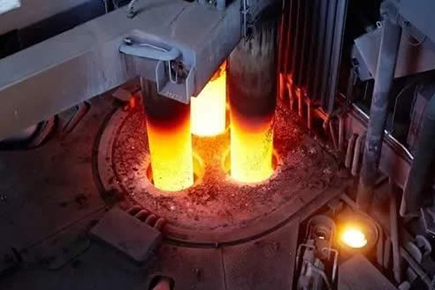
The electric arc furnace is the workhorse of modern recycling and steelmaking. Unlike traditional blast furnaces that use coal to smelt iron ore, an EAF uses electricity to melt recycled steel scrap. The graphite electrode is the heart of this operation. Large columns of electrodes are lowered into the furnace shell. When the switch is flipped, a massive electrical current travels down the electrode.
This current doesn’t just touch the scrap; it jumps. It creates a powerful electric arc between the tip of the electrode and the metal. This arc generates extreme heat, instantly turning solid steel into liquid. The graphite electrodes in electric arc furnaces act as the lightning rod, focusing megawatts of power into a precise area. Without the unique ability of the electrode to handle this electrical load without melting instantly, the electric arc furnace concept wouldn’t work.
Why are Graphite Electrodes Essential for Steel Production?
Graphite electrodes are essential because of a specific combination of physical traits. First, they have high electrical conductivity. They need to carry thousands of amperes of current with minimal resistance. If the resistance is too high, the electrode would overheat and waste energy. Second, they possess incredible thermal shock resistance. The inside of a furnace changes temperature rapidly. A lesser material would crack or shatter under these mechanical stresses.
Furthermore, graphite is one of the few materials that actually gets stronger as it gets hotter (up to a certain point). In steel production, stability is key. The steel industry demands a consistent operation. If an electrode breaks, production stops, and costs skyrocket. Therefore, the industry relies on high-quality graphite products like High-power graphite electrodes to ensure the furnace runs smoothly around the clock.
What is the Role of the Arc in the Melting Process?
The arc is where the magic happens. It is a plasma discharge that reaches temperatures hot enough to vaporize metal. In the steelmaking process, the electric arc provides the energy to melt the charge (the scrap metal) and maintain the temperature of the liquid bath. The graphite electrode must sustain this arc continuously.
The stability of the electric arc determines the efficiency of the melting. A stable arc transfers heat effectively to the metal, while an unstable arc can damage the furnace walls and waste power. The tip of the electrode slowly wears away as it sustains this extreme energy release. This is why the quality of the graphite electrode is so important; a dense, high-quality electrode produces a more stable arc and improves the overall metal production speed.
How Does Furnace Steelmaking Achieve High Efficiency?
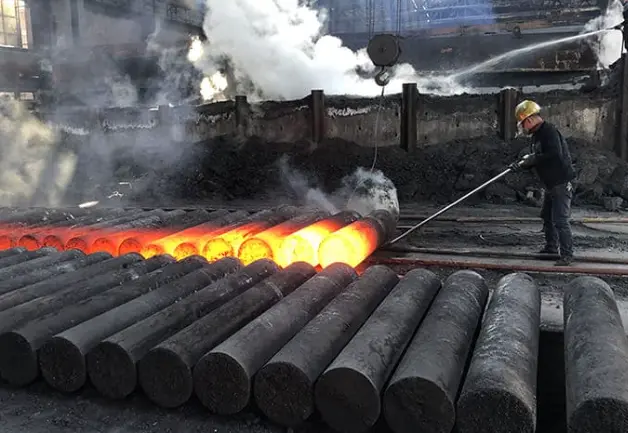
Efficiency in furnace steelmaking is all about time and energy. The goal is to melt the scrap and refine the steel as quickly as possible using the least amount of electricity. Modern electric arc furnace designs use advanced transformers and control systems to optimize the position of the electrode.
However, the material of the electrode itself plays a huge role. High-quality electrodes allow for higher currents, which means faster melting times. This helps reduce the overall energy consumption per ton of steel produced. By using premium products, such as an Ultra-high power graphite electrode, steel mills can run their furnaces at maximum power, shortening the "tap-to-tap" time (the time between one batch of steel and the next). This efficiency is what makes EAF steelmaking competitive worldwide.
What Factors Influence Electrode Consumption Rates?
One of the biggest concerns for a procurement officer is consumption. Graphite electrodes are consumable items; they don’t last forever. Electrodes are consumed through two main processes: sublimation at the tip (due to the arc heat) and oxidation on the sidewalls. As the electrode gets hot, the carbon reacts with oxygen in the air, slowly burning away the sides of the column.
Several factors affect how fast an electrode is used up. High-quality electrodes with higher density oxidize slower. The operation practices of the furnace also matter—if the oxygen levels in the furnace are too high, consumption increases. Mechanical breakage is another issue; if scrap metal falls on the electrode, it can snap, leading to significant waste. Managing consumption is a critical part of the cost-effectiveness of the steel industry.
Do Graphite Electrodes Have Applications Beyond Steel?
While steel is the biggest consumer, graphite electrodes have an application in other areas of metallurgy. For instance, they are used in the production of titanium sponge and in yellow phosphorus furnaces. They are also used in ladle furnaces. A ladle furnace is a secondary vessel where molten steel is refined and heated before casting. Here, smaller electrodes are used to maintain the temperature and adjust the chemistry of the melt.
Additionally, similar carbon technology is used in aluminum production, though the configuration is different (using anodes and cathodes). In the ferroalloy industry, submerged arc furnaces use electrodes to smelt materials like silicon metal and ferromanganese. Even though the process might vary, the need for a high-temperature, conductive material remains constant across these industrial sectors.
What are the Advantages of Using UHP Electrodes?
In the world of graphite electrodes, there are different grades: Regular Power (RP), High Power (HP), and Ultra High Power (UHP). The advantage of UHP electrodes lies in their superior capability. They are made with premium needle coke, which gives them a very low coefficient of thermal expansion. This means they don’t expand much when heated, making them less likely to crack under extreme heat.
UHP electrodes also have higher electrical conductivity, allowing them to carry much higher currents than standard electrodes. This makes them ideal for large-scale, modern electric arc furnaces that operate at very high power levels. Using a Regular Power Graphite Electorode in a high-power furnace would lead to rapid failure. Matching the electrode grade to the furnace requirement is crucial for efficient production.
How Does a Reliable Supplier Impact Production Quality?
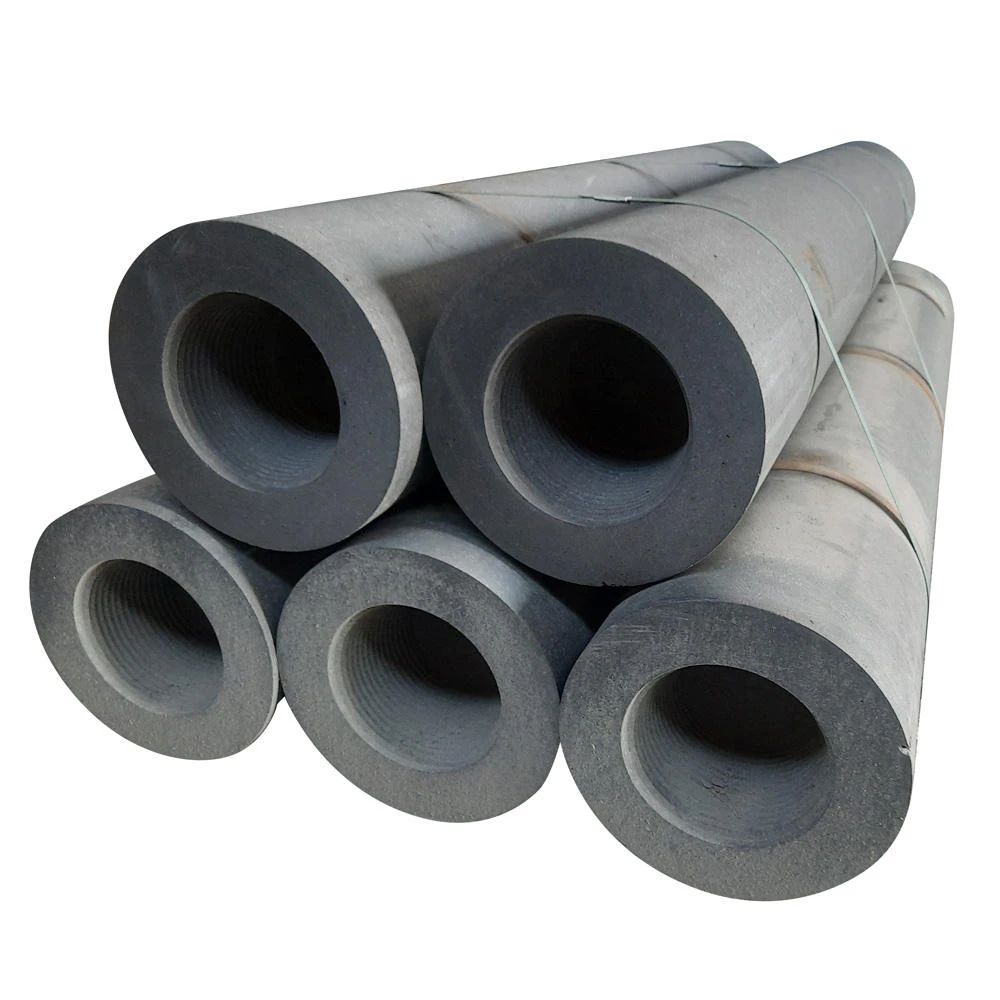
For a buyer like Mark, finding the right supplier is as important as the product itself. The market is global, with major production hubs in China and other countries. A reliable supplier ensures that the graphite electrode meets strict specifications regarding density, resistance, and strength.
Inconsistent product quality can lead to electrode breakage, which halts production and damages the furnace. A good supplier also provides technical support, helping the steel mill optimize their operation to reduce consumption. They ensure a steady supply chain, which is vital because a steel mill cannot operate without these black cylinders. Sourcing extra large graphite electrode sizes or specific grades requires a partner who understands the logistical and technical demands of the industry.
What Future Advances are Expected in the Industry?
The steel industry is constantly evolving, and so is the technology behind the graphite electrode. Manufacturers are working to advance the production process to create electrodes with even lower electrical resistance and higher oxidation resistance. This progress aims to further reduce the consumption rate per ton of metal.
There is also a push for greener manufacturing. Producing graphite electrodes is energy-intensive, so factories are looking for ways to improve their own efficiency. As electric arc furnace technology spreads across the globe due to its lower carbon footprint compared to coal-based methods, the demand for high-quality graphite electrodes will continue to rise. Innovations that enable longer-lasting electrodes will be key to the future of sustainable steel making.
Key Takeaways
The role of graphite electrodes in heavy industry cannot be overstated. Here are the main points to remember:
- Critical Component: The graphite electrode is the essential conductor that allows electric arc furnaces to function.
- Extreme Resilience: They are designed to withstand massive electrical currents and extreme heat without melting.
- Efficiency Driver: High-quality UHP electrodes enable faster melting and lower energy consumption in steel production.
- Consumable Nature: Electrodes naturally wear down due to oxidation and the arc, making consumption management vital.
- Versatile Use: Beyond steel, they are used in ladle furnaces and the production of other metals like titanium.
- Supplier Importance: Choosing the right supplier ensures consistent product quality and operational stability.
Post time: 01-20-2026