
For any melt shop manager or procurement director, the true cost of production is not found on a simple invoice. It is found in the fiery belly of the electric arc furnace. When you are melting steel, you rely on massive conductive columns to deliver the power. But these tools face a harsh, undeniable reality: they burn away. Whether you are running a heavy-duty steel mill or operating high-tech water treatment facilities using electrochemical advanced oxidation processes, the loss of your electrode material to extreme heat and chemistry costs you a fortune. This article breaks down the complex science behind why these tools break down. By understanding the true chemistry at play, you can choose better products, stop throwing money away on fast-burning consumables, and keep your plant running smoothly. Let’s dive into the fascinating world of carbon degradation.
Article Preview: Why Does Electrode Oxidation Matter for Carbon Performance in the Furnace?
When you run a modern steel mill, every penny counts. Your key performance indicator is usually the consumable cost per ton of liquid steel. You rely heavily on carbon tools to conduct raw power into the scrap metal. But these tools face a brutal environment. The oxidation of these materials is the single biggest cause of tool failure and bloated operational costs. If your tools burn away too fast, your profit margins disappear with them.
In simple terms, oxygen loves to eat carbon. It is a match made in hell for industrial manufacturing. When you heat up a graphite electrode to 3000°C, it reacts violently with the oxygen in the air or the electrolyte medium surrounding it. This chemical reaction turns your solid, expensive carbon into carbon dioxide gas. We call this destructive process gasification. It literally vaporizes your expensive tools into thin air! You are watching your budget float out of the exhaust stack.
In an electric arc furnace, this phenomenon shows up as side wear. The tool gets thinner and thinner, forming a sharp point like a pencil, until it finally snaps under its own weight. To fight this expensive problem, we have to look closely at the science of the material. We need to understand the microscopic battles happening on the surface of the tool.
What Exactly is the Electrochemical Oxidation of a Carbon Electrode?
Let us dive deeply into the chemistry, but keep it accessible. Electrochemical oxidation happens when electricity and chemical reactions team up to break down a solid material. If you use a solid rod to pass electrical current through a liquid or a plasma field, that rod becomes an anode. The environment attacks it relentlessly.
At the anode, elements like water, oxygen, and slag tear aggressively at the surface of graphite. This specific chemical attack is known as anodic oxidation. During this relentless attack, the solid matrix of the material starts to break apart. A complex two-electron transfer occurs, creating harsh chemical byproducts that actually eat the rod even faster. This is the core oxidation mechanism that plagues the industry. We study this mechanism every day in our laboratories because we want to know exactly how fast the material will oxidize under extreme stress.
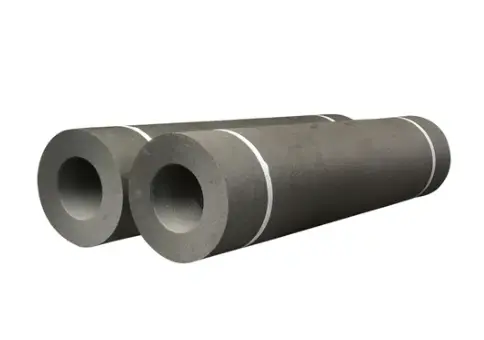
By understanding this chemical breakdown, manufacturers can improve their baking and graphitization processes. Because of its incredible thermal and electrical conductivity, using graphite is basically mandatory for high-heat industries. However, it remains highly vulnerable to oxygen. Whether you deploy it in a screaming hot arc furnace or as a standard anode material in industrial chemical cells, stopping this rapid wear is the main goal of modern materials science.
How Do We Test Electrode Material Degradation in the Lab?
To make sure our products survive the absolute nightmare of your factory floor, we test them intensely. We cannot just guess how strong they are or hope for the best. We use a highly precise laboratory setup called a three-electrode system. This allows us to simulate the harsh conditions of the real world in a controlled, measurable way.
Here is exactly how it works. We take a small, precisely cut sample of our finished product. This small piece becomes the working electrode. We place it in a testing liquid along with a counter electrode and a saturated reference tool to complete the electrical circuit. Usually, our technicians pair the working electrode and a saturated calomel reference together to get the most accurate voltage readings. Sometimes, depending on the specific test, we compare the readings against a standard hydrogen electrode.
Once the setup is ready, we push power through the sample and record a voltammogram. Specifically, we look at cyclic voltammograms. These detailed line graphs show us exactly how the material handles repeated stress and voltage sweeps over time. Results demonstrated clearly that lower quality, highly porous carbon burns up incredibly fast. Conversely, premium needle coke materials show amazing resistance to degradation. Lab testing is the only way to prove value before the product ever touches your furnace.
How Does Surface Modification Enhance the Carbon Electrode?
If you leave bare carbon exposed to extreme heat and oxygen, it will fail rapidly. There is no escaping the laws of thermodynamics. The secret to unlocking a longer operational life is surface modification. By chemically or physically treating the outside of the tool, we can slow down the burning process significantly.
We apply specialized, proprietary coatings that act like an invisible shield. This directly improves the tool’s overall electrochemical properties. When the tool has a strong protective shield, its electrocatalytic activity changes. It can still conduct massive amounts of electrical power perfectly, but it effectively stops oxygen from entering its microscopic pores. This drastically cuts down on internal and external surface corrosion.
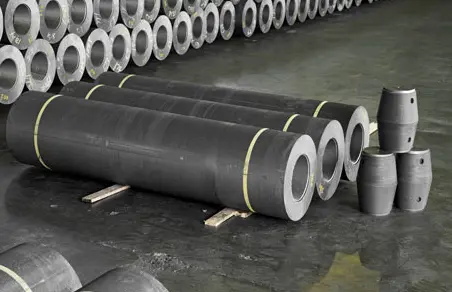
For example, when you use a treated graphite rod in an electric arc, the coating stops the sides from turning to loose ash. You get a much longer lifespan and a more stable arc. Your potential to save serious money goes up because you buy fewer replacements every single month. High strength graphite block materials often undergo similar treatments to ensure they survive the harsh environments of metallurgy casting and smelting.
What is the Role of the Carbon Electrode in Electrochemical Advanced Oxidation Processes?
Graphite is not just famous for melting scrap metal to make steel. It is also a total superstar in the world of environmental cleanup. Modern industries use electrochemical advanced oxidation processes to treat highly toxic, dangerous wastewater. This is a brilliant application of carbon technology that saves our rivers and oceans.
In these advanced water treatment systems, a graphite felt or a solid block acts as the main power conductor within an electrolyte bath. As electricity flows steadily from the anode to the cathode, it physically destroys the toxic chemical compounds floating in the water. However, to make this work efficiently, the carbon material must possess extremely high electrochemical oxidation activity. It has to drive the reaction hard.
Unfortunately, this dirty, chemical-filled water is a severely harsh oxidation condition. It attacks the carbon aggressively, trying to break it down. You need a tool with an incredibly strong, dense structure to maintain high electrochemical filtration efficiency over months of continuous use. We design our carbon materials to handle this exact abuse, keeping water treatment plants running safely without requiring constant, expensive shutdowns.
Although Graphite Anodes Degrade, How Do We Ensure Long-Term Stability?
It is a basic fact of physics: although graphite anodes are undeniably tough, they eventually break down. Nothing lasts forever in a 3000°C furnace or a highly acidic chemical bath. However, "eventual" can mean two days or two months, depending entirely on how the tool is manufactured. Long-term stability is what separates a cheap, fly-by-night supplier from a great, reliable manufacturer.
To fight rapid degradation, we focus obsessively on density. During the baking and carbonization phase of manufacturing, we use immense high pressure to squeeze out all the tiny air pockets inside the raw material. We fill those microscopic holes with premium liquid pitch in a process called high-pressure impregnation. This drastically lowers the electrical resistivity of the final product. When electricity flows easier, the tool stays much cooler during operation.
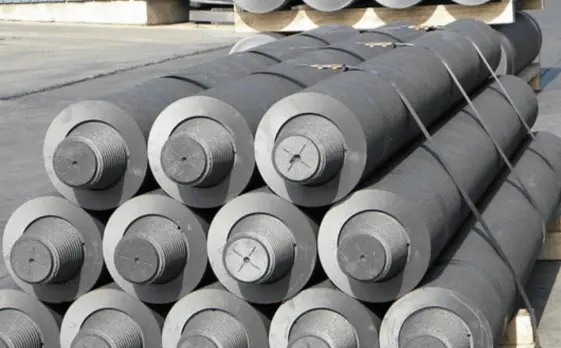
A cooler tool suffers much less anodic oxidation. We also examine our finished products using high-powered electron microscopy. We zoom in a million times to check the tiny carbon grains. If the grains are tightly packed and flawlessly aligned, the tool will survive the harshest electrolyte bath or the most violent furnace environment imaginable.
How Do Oxidation Conditions Affect the Potential of Your Carbon Electrode?
The immediate environment around your tool completely dictates its lifespan. In the industry, we call this the oxidation condition. If you operate an electric arc furnace with too much oxygen rushing in through the slag door, the potential for total disaster is incredibly high. You are essentially feeding oxygen to a carbon fire.
When the carbon gets too hot and too much air is present, the oxidation of graphite speeds up drastically. The tool’s structural resistance drops, it thins out, and it starts to crack under the mechanical vibration of the furnace. In extreme cases, you might observe selective oxidation behaviour, where the binder pitch holding the tool together burns away much faster than the needle coke itself. This makes the solid tool crumble into the steel bath like dry bread, ruining your steel chemistry.
To stop this from happening, furnace operators must strictly control the air flow and power levels. Pushing a relatively high voltage combined with bad air control will quickly destroy even the highest quality product on the market. By tuning your electrical potential and managing the foamy slag, you protect your investment. Ultra-high power graphite electrode products are designed to withstand these spikes, but they still require smart furnace management to truly excel.
Graphene Oxide and Nanoparticle Tech: What is the Future of the Carbon Electrode?
The world of materials science is moving incredibly fast. Today, we are looking deeply at nanomaterials to make our heavy industrial products even stronger. Advanced materials like graphene oxide and graphite oxide are totally changing the game for energy storage and conductivity.
Scientists in laboratories use a complex process called the exfoliation of graphite. They literally peel apart the carbon layers one by one until they are super thin, sometimes just a single atom thick. This incredible electrochemical exfoliation of graphene creates entirely new structures that conduct electricity with almost zero resistance. When we carefully add a tiny, engineered nanoparticle to these layers, we create super-strong chemical bonds.
While this might sound like science fiction to a steel mill manager today, it is the undeniable future of manufacturing. These advanced materials offer a massive surface area for better conductivity and exhibit almost zero wear. Stay tuned, because the evolution of the heavy-duty carbon tool is just getting started, and it promises to revolutionize how we melt metal.
Can a Modified Graphite Electrode Outperform Platinum in Catalytic Activity?
In high-tech research labs and specialized chemical plants, scientists often use platinum components because the metal handles electricity beautifully without rusting or degrading. But platinum is incredibly, prohibitively expensive! Can simple carbon really step up and do the exact same job?
Yes, it absolutely can. A carefully designed, well-engineered modified graphite tool can easily match or even beat expensive rare metals in overall catalytic activity. By chemically doping the carbon with specific trace elements, we create an electron-donating surface. This massively boosts its electrocatalytic activity without attaching the crazy price tag of rare earth metals.
Whether you need a massive cathode for an industrial chemical plant, or you are sourcing heavy-duty rods for a commercial smelter, engineered carbon provides the absolute best balance of purchase price and raw power. It proves once and for all that you do not need precious metals to achieve world-class industrial performance. If you need highly specialized components, look into a Conductive graphite rod for electrodes to ensure precise, affordable conductivity for your unique application.
How Does the Electron Process Relate to Carbon Electrode Electrochemical Performance?
Everything we have talked about in this article—from massive steel furnaces to microscopic lab tests—comes down to one tiny, invisible thing: the electron. The specific way a single charge moves through the physical body of your tool totally defines your plant’s financial success.
If the internal carbon structure is completely perfect, charges zip through the rod without hitting any friction. This smooth flow gives you amazing electrochemical performance. But if the carbon is flawed, porous, or full of impurities, the charges crash into obstacles. This friction creates massive amounts of internal heat. Heat leads directly to rapid burning and thermal cracking. In lab terms, we use voltammetric testing and cyclic sweeps to track these charges as they move. We measure the resulting physical wear right down to the last mm of material.
By carefully controlling how power flows, we control the heat. This dramatically lowers your monthly power bill and stops your massive columns from snapping mid-melt. When you finally understand the deep science of carbon, you realize that buying premium quality is the smartest financial choice you can make. Do not settle for fast-burning, cheap junk; invest in high-performance High-power graphite electrode products to keep your fires burning bright and your operations highly profitable.
The Most Important Things to Remember
- Oxygen is the Enemy: In high-heat environments, oxygen attacks carbon, turning your expensive tools into invisible gas. Protect them by managing furnace air flow.
- Density Equals Durability: Highly dense materials resist internal burning. Look for products that utilize high-pressure impregnation during manufacturing.
- Coatings Save Money: Surface modifications and anti-oxidation coatings block pores, significantly extending the life of the tool in the furnace.
- Lab Testing Matters: Premium manufacturers use advanced lab setups (like three-electrode systems) to guarantee product stability before shipping.
- Total Cost over Initial Price: A cheap tool that burns twice as fast will cost you far more in downtime and replacement volume than a premium, stable product.
Post time: 03-26-2026