
The scrap metal drops into the fiery belly of the melt shop. Dust flies. Sparks erupt. A massive black cylinder lowers into the chaos, and then—boom. The power kicks in. This isn’t just a process; it’s a precisely controlled lightning storm. Every single minute of downtime costs thousands of dollars. We are talking about the critical role of carbon consumables in modern metallurgical operations. From standard rp grades to advanced eaf solutions, the right choice keeps your liquid metal flowing and your budgets intact. Let’s dive into the science, the savings, and the secrets behind these massive conductors.
Why is a Graphite Electrode the Heartbeat of the Electric Arc Furnace?
You cannot melt scrap efficiently without a reliable conductor. A graphite electrode is an important tool that acts as the primary power delivery system. When lowered into an electric arc furnace, it carries thousands of amps of electricity. This power leaps from the tip, creating a massive arc. That arc generates extremely high temperatures, reaching 3000°C, which turns solid metal into a glowing liquid soup.
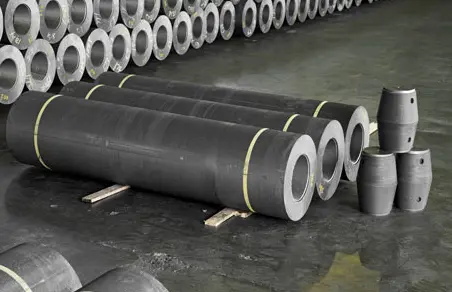
Because it acts as a conductive electrode, the material must be incredibly tough. It has to survive immense heat and vibration all at once. If the conductive material is weak, it snaps. The resulting broken pieces fall into the melt, adding unwanted carbon to your steel batch. Choosing the right furnace electrodes prevents this nightmare, ensuring your arc furnace runs smoothly shift after shift. The modern electric arc furnace is truly an engineering marvel.
How Does Electric Arc Technology Transform Scrap in Steelmaking?
The magic of modern steelmaking lies in its ability to reuse old materials. Using an electric arc, melt shops can take old cars and beams and turn them into brand-new products. This recycling loop is vital for a sustainable future. The arc acts as a relentless heat source, melting down the charge rapidly.
During electric furnace steelmaking, the goal is to smelt the scrap as fast as possible to maximize output. A graphite electrode is used to maintain that arc stability. If the arc flickers or breaks, you lose precious time and energy. It is a delicate balance of physics and raw power in these high temperature operations.
What Separates a High Power Graphite Electrode from RP Grades?
When browsing catalogs, you will see a lot of letters. Generally, graphite electrodes include several classifications. A High-power graphite electrode is built to handle more intense electrical loads than a standard Regular Power Graphite Electorode unit. The difference lies in the raw materials and the baking process.
Power arc furnaces that push higher amperages require electrodes that won’t overheat. A high power electric setup demands specific properties. If you put an RP electrode in a high-power environment, the thermal stress will cause it to fracture almost immediately.
| Grade Category | Typical Application | Current Capacity | Base Material |
|---|---|---|---|
| RP (Regular) | Small foundries, smelting | Low | Standard Petroleum Coke |
| HP (High Power) | Medium EAF, LF refining | Medium | Blended Coke |
| UHP (Ultra High) | Large EAF, rapid melt | Very High | Premium Needle Coke |
Why is UHP Crucial for Modern Furnace Steelmaking?
For the heavy lifters of the industry, uhp is the only way to go. In large-scale melting operations, operators demand incredibly high current density to shorten the tap-to-tap time. An ultra-high power electrode is specifically engineered to carry these massive currents without breaking a sweat.
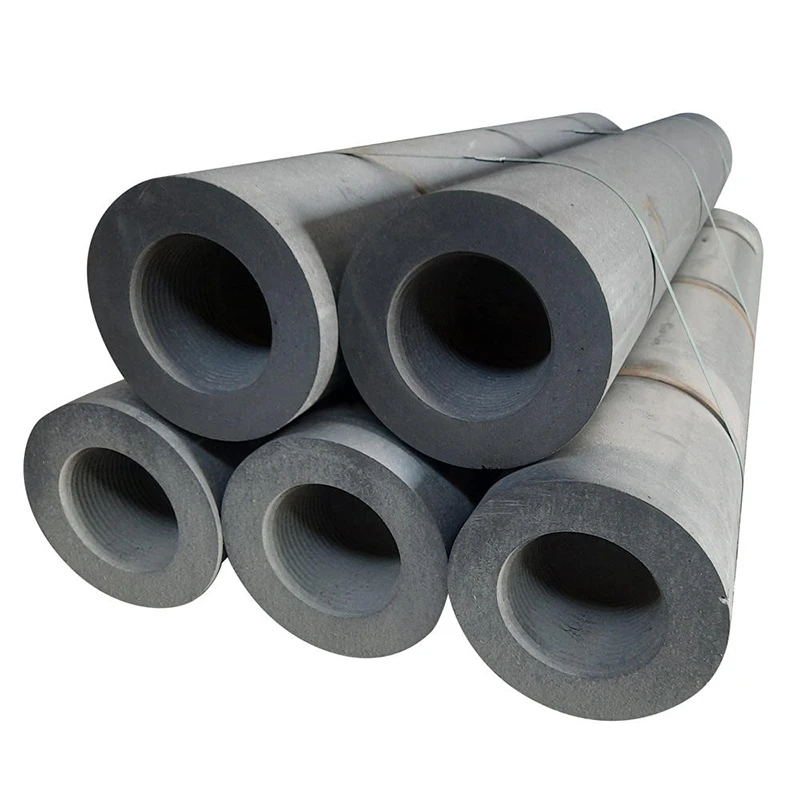
In a uhp eaf setup, the physical demands are brutal. The ultra-high power graphite electrode must possess high mechanical strength to withstand the shifting weight of melting scrap. It must also have excellent thermal shock resistance so it doesn’t crack when transitioning from room temperature to the inferno inside the vessel.
How Do Machine Tolerances Prevent Electrode Column Failure?
Think about how these massive columns are assembled. One electrode is screwed into another using a connecting pin. If the machine work on that thread is sloppy, the joint will be loose. A loose joint creates electrical resistance, generating heat that eventually burns the connection apart. Suddenly, your entire electrode column drops into the liquid metal.
Precision is everything. After the initial extrusion process, the baked rods are machined using highly accurate CNC equipment. This ensures every single socket and pin fits perfectly. Good machining is just as critical to the conductive pathway as the chemical makeup of the carbon itself.
"Industry data shows that loose nipple joints account for up to 40% of all EAF column breakages. Precision machining is your best insurance policy."
What Role Do Raw Materials Like Coke Play in Conductivity?
You cannot bake a great cake with bad flour. The same goes for electrodes. The primary raw material is coke, specifically derived from petroleum. Standard petroleum coke is fine for lower grades, but for top-tier products, you need premium needle coke.
Needle coke has a highly aligned crystalline structure. This unique shape provides good electrical flow and superb thermal conductivity. It also minimizes thermal expansion, meaning the electrode won’t swell up and crack the joint when the heat gets turned up. A high-quality graphite electrode relies heavily on this specific ingredient for top-tier conductivity.
How Do Top Factories Control Density and Resistivity?
Top carbon factories know that density is a game-changer. A denser electrode means more carbon is packed into the same volume, leaving fewer pores. The physical density of the rod matters. To achieve this, factories use a process called impregnation, where the baked rod is soaked in liquid pitch under pressure.
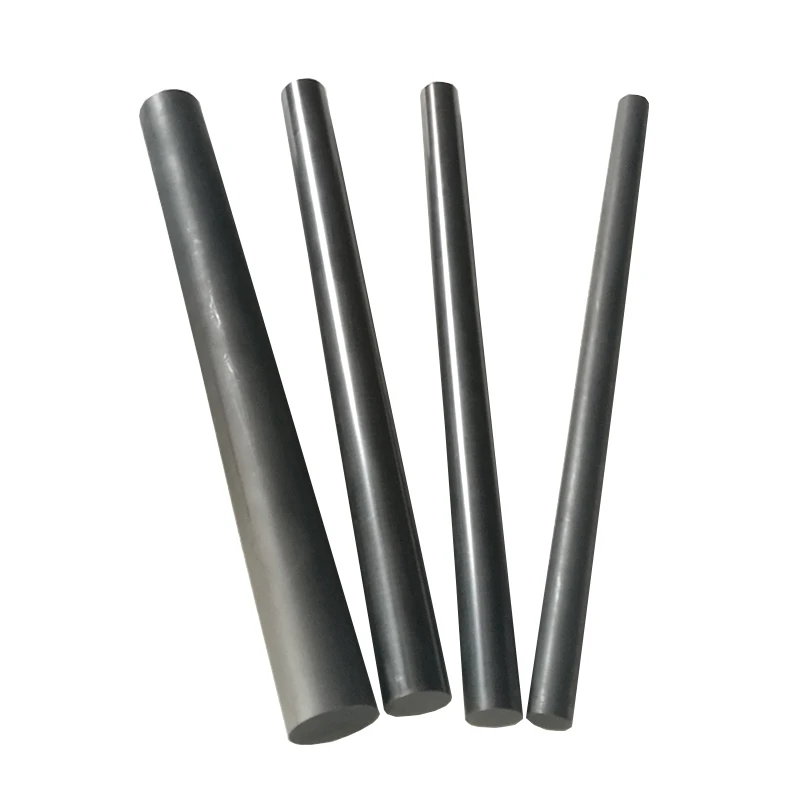
After impregnation, the rod goes into a graphitization furnace. Here, it is baked again at over 3000°C. This graphitization process transforms the messy carbon atoms into neat, highly organized graphite crystals. This drastically lowers the resistivity of the material. Reputable makers follow strict iso standards to ensure every graphite electrode with a diameter of 400mm, 600mm, or 700mm meets the exact required specifications.
Can We Reduce Oxidation Consumption on the Electrode Surface During the Melt?
Oxygen is a silent killer in the melt shop. As the furnace breathes, oxygen attacks the glowing exterior. This leads to oxidation consumption, where the sides of the rod literally burn away, tapering the cylinder into a sharp pencil shape. It is a major cost factor.
To fight this decay, operators must look closely at their usage rate, usually measured in kilograms per ton of liquid metal produced. Maintaining a tight diameter seal on the furnace roof helps keep excess air out. Sometimes, an anti-decay coating or a new type of surface treatment can be applied to extend the lifespan of the rod.
Are Carbon Rods Used in Submerged Arc Furnace Operations?
While EAFs get all the glory, carbon rods work hard in other places too. A graphite electrode is mainly used in electric furnaces, but there are many types. For instance, in a submerged arc furnace, the tips of the rods are buried deep in the raw materials. This setup is used to process a variety of base materials.
You will find graphite electrodes used in the production of ferroalloy, yellow phosphorus, and calcium carbide. Even in a specialized resistance furnace, these conductors are essential. For the production of silicon carbide, massive amounts of stable heat are required in these high-temperature environments, and graphite is the only material that can handle the job without melting itself. Mixing in the right alloy during these processes requires immense precision.
What Does the Future Hold for the Steel Industry and Steel Refining?
The sector is rapidly shifting toward greener methods, moving away from coal-heavy blast furnaces. This means more electric furnace steel will be produced globally. As melt shops melt the initial scrap, they often move the liquid metal to ladle furnaces (or lf) to refine the chemistry.
Ladle refining requires precise temperature control. A smaller conductive graphite rod for electrodes is often used here to gently heat the bath while alloys are added. We might also see a rise in specialty shapes, or even a graphite crucible for smaller, high-purity casting operations. As long as the world needs strong, clean metal, the demand for ultra high quality conductors will only grow.
Key Takeaways to Remember:
- Match the Grade: Always ensure your electrode grade (RP, HP, UHP) matches your furnace’s transformer capacity.
- Check the Joints: The nipple connection is the most vulnerable point. Precision machining prevents costly breakage.
- Density is King: Higher density means slower burn rates and better efficiency per ton of metal.
- Needle Coke Matters: For high-power applications, true needle coke provides the necessary thermal shock resistance.
- Track Your Consumption: Monitor your kilograms-per-ton usage to identify excess oxygen damage early on.
Post time: 02-26-2026